


















Blak Cede Gunyah Café and Shop


Product List
Product List
Highlights
- Flavourful menu rooted in traditional Aboriginal foods and healing
- Warm, culturally rich atmosphere led by strong Blak women
- Friendly service in a safe, community-focused café setting
Overview
Blak Cede Gunyah is a landmark in cultural reclamation and decolonisation, right in the heart of Nowra. Blak Cede is Waminda's social and cultural enterprise that enacts its vision of Aboriginal women and their families leading and living self-determined futures. Ultimately, they are creating new employment opportunities for Aboriginal women who seek a culturally safe workplace that respects and understands commitments to family and community…
Blak Cede Gunyah is a landmark in cultural reclamation and decolonisation, right in the heart of Nowra. Blak Cede is Waminda's social and cultural enterprise that enacts its vision of Aboriginal women and their families leading and living self-determined futures. Ultimately, they are creating new employment opportunities for Aboriginal women who seek a culturally safe workplace that respects and understands commitments to family and community whilst offering training and further education pathways.
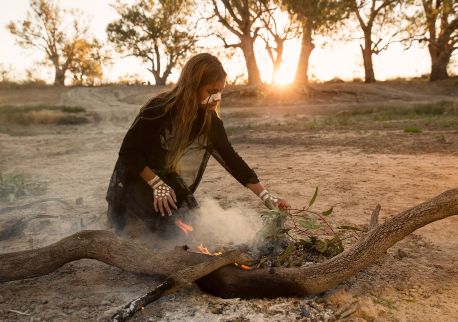
Led by their community of strong Blak women, Blak Cede cultivates traditional foods and medicine from their Kareela Ngura community permaculture garden to produce high-quality products for the café and online store. Blak Cede prides itself on having a delicious and nutritious menu that has been carefully curated to represents culture, home and healing. Culture has and continues to play an important part in the local Aboriginal community's lives, so here at Blak Cede, not only can you see culture, but you can taste it in their food.
Open six days-a-week, for both dine-in and take-away, Blak Cede aims to grow and share their ways of knowing, being and doing, and make a robust food and cultural experience to give back to the community leading it. You can find an array of retail products and items for sale both in-store and online.
Get in touch
Product List
More Like This
Product List
Location
FAQs
Accessibility
Actively welcomes people with access needs.
Adhere to The Food Authority requirements for allergy management in food preparation
Caters for people who use a wheelchair.
Caters for people with allergies and intolerances.
Caters for people with sufficient mobility to climb a few steps but who would benefit from fixtures to aid balance. (This includes people using walking frames and mobility aids)
Have equipment to respond to anaphylactic shock such as epi–pens and defibrillator
Have step free outdoor pathways (includes picnic areas, barbecues and shelters)
Modify your cooking and cleaning practices to cater for people with food allergies or chemical intolerances (could include menus with meals free from: nuts, dairy, seafood, eggs, gluten etc)
Offer a range of contact methods for receiving complaints
Train your staff to respond to allergic reactions
Use floors/coverings which are slip resistant, firm and smooth
Welcomes and assists people who have challenges with learning, communication, understanding and behaviour. (includes people with autism, intellectual disability, Down syndrome, acquired brain injury (ABI), dyslexia and dementia)