





Sofala
Chesleigh Homestead, Sofala


Tucked alongside the picturesque Turon River, Sofala is a tiny village that's big on history. Considered to be Australia's oldest surviving gold rush town, the precious metal was discovered here in 1851 and it still draws keen fossickers who search the streams for sparkling flecks.
Take a walking tour along Sofala's pretty streets to see historic buildings from the gold rush era, including the Royal Hotel and the Old Sofala Gaol. You might recognise the village from the painting 'Sofala' by Australian artist Russell Drysdale. The Art Gallery of NSW describes it as "an expression of the quintessential qualities of an inland Australian country town" and it won the prestigious Wynne Prize in 1947.

Olivers Antiques, Sofala
Explore the Upper Turon, around 20 minutes from Sofala, for more remnants of the gold rush, including diggings, gravestones, buildings and a Chinese miner settlement. South of Sofala is the village of Wattle Flat, another historic gold rush town that's home to stone buildings, cottages, mine shafts, cemetery, campground and a general store.
One of the most exciting ways to connect with gold rush history is by trying your hand at gold panning. There are plenty of spots to try where the river flows through the town and its surrounds (though you will need a permit for any areas inside a state forest). You can also join a guided tour with Simmo's Offroad Tours, who will take you to the best places and show you the ropes.

Simmo's Off Road Tours, Bathurst
If the rivers around Sofala don't reward your gold panning efforts, you can still throw a line in and reel in some fish. The Turon River is known for trout, Murray cod, golden perch and yellowbelly. Crossley Bridge, on the western edge of town, is a popular spot. Simmo's Offroad Tours run guided fishing expeditions, as well as scenic 4WD tours that will take you off-grid and into the wilderness.

Simmo's Off Road Tours, Bathurst
Experience more of the region's natural wonders when you stay at Chesleigh Homestead. Set on 3,000 acres just outside of Sofala, it offers some of the best horse riding in the state with untouched bush trails, obstacle courses, river rides and horse picnics for all abilities. If you prefer to explore on your own two feet, the Buurree Walking Trail in nearby Wattle Flat is great for birdwatching through open woodland, with scenic views of Sofala.

Chesleigh Homestead, Sofala
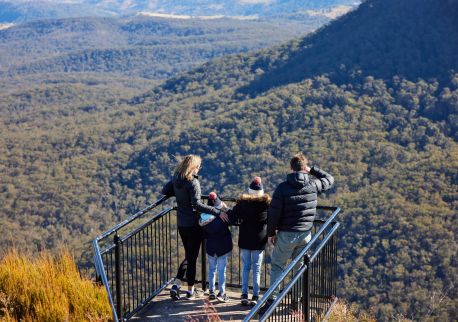
Discover more of the area and take in the pretty countryside on a scenic drive. Follow the Turon River for spectacular scenery and historic sites or wind through the hills to Hill End via Peel. If you have a four-wheel drive, The Bridle Track is a rugged, unsealed route between Sofala and Hill End with plenty of spots for fishing, swimming and camping.

Sofala, Central West
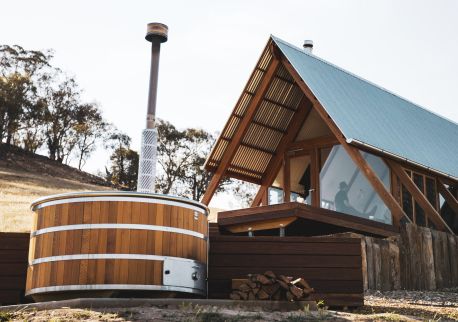
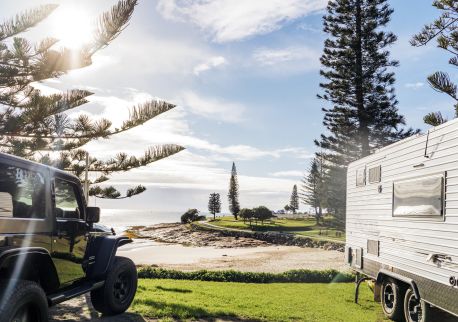
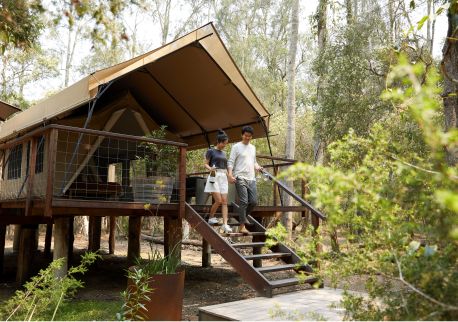
Check in to Chesleigh Homestead for the perfect country break. There are nine bedrooms across the homestead and adjacent cabins, as well as a swimming pool, spa, tennis courts, and outdoor activities like horse riding and gold panning. For something more rustic, pitch a tent by the river at Ration Point Campground or Crossley Bridge Campsite.

Crossley Bridge Sofala Campsite, Sofala
Sofala is a 3.5-hour drive from Sydney and four hours from Canberra. Due to current road closures, alternative routes are available from Lithgow or along the Bells Line of Road. Make it a road trip and see more of the region on our Tour of Caves and Fossils route. It's just over half an hour from Bathurst, which you can reach by direct train or express coach from Sydney. The trip takes three to four hours. Rex and QantasLink operate daily flights from Sydney to Bathurst Airport.
VisitNSW.com is the official tourism site for Destination NSW.
© Copyright 2026 Destination NSW. All rights reserved


