










Narooma Oyster Festival
Fri 07 May '27 – Sun 09 May '27


Product List
Product List
Overview
Join growers, chefs, and shuckers on the South Coast to celebrate the 20th anniversary of the Narooma Oyster Festival. The celebration starts early, with Rock Oyster Week leading into a three day festival program on the foreshore of Wagonga Inlet.
Taste the unique merroir of native NSW Rock Oysters direct from the farmers - from farm gates and Oyster Farmers Alley, oyster bars and elevated culinary experiences, signature masterclasses, inlet…
Join growers, chefs, and shuckers on the South Coast to celebrate the 20th anniversary of the Narooma Oyster Festival. The celebration starts early, with Rock Oyster Week leading into a three day festival program on the foreshore of Wagonga Inlet.
Taste the unique merroir of native NSW Rock Oysters direct from the farmers - from farm gates and Oyster Farmers Alley, oyster bars and elevated culinary experiences, signature masterclasses, inlet cruises, and world-class cooking demonstrations.
Catch the high-stakes excitement of the Australian Oyster Shucking Championships, where the champion goes on to represent Australia in Ireland, and marvel at the weigh-in for Australia's Biggest Oyster.
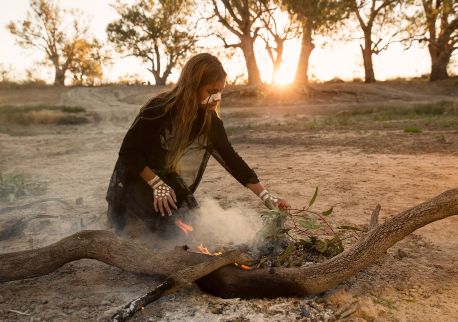
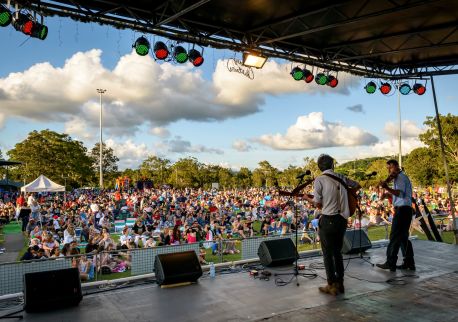
Connect with the People of Yuin Country, meet producers and artisans, and sip celebrated regional wines, craft beers, and spirits while enjoying live music.
It's a celebration of South Coast lifestyle!
Start planning your journey!
Get in touch
Location
FAQs
Accessibility
Access and Inclusion Statement
Allows a person's carer free entry into participating venues and events
Actively welcomes people with access needs.
Caters for people who are deaf or have hearing loss
Caters for people who use a wheelchair.
Caters for people with sufficient mobility to climb a few steps but who would benefit from fixtures to aid balance. (This includes people using walking frames and mobility aids)
Have a step free main entrance to the building and/or reception area (includes ramps or slopes with a maximum gradient of 1:14, otherwise are too steep for wheelchairs)
Have a wheelchair accessible toilet / shower and change room
Have accessibility information and photos, including of a bathroom, room and/or floor plan on your website (can be emailed on request)
Have an accessible public toilet which is unlocked
Have at least one wheelchair accessible parking space with wheelchair accessible signage clearly displayed (International standards are 3200mm wide x 2500 mm high)
Have grab rails in the bathroom
Have step free access to restaurant, lounge and bar
Have step free outdoor pathways (includes picnic areas, barbecues and shelters)
Have TVs with captioning option
Offer a range of contact methods for receiving complaints
Offer multiple options for booking - web, email, phone
Provide assistance with booking arrangements (includes providing clear itineraries with written instructions on what to do at various destinations)
Provide seating in common areas including reception area
Train your staff in communicating with people with learning or behavioural challenges
Use floors/coverings which are slip resistant, firm and smooth
Use Plain English / easy read signage and information (includes menus and emergency information)
Website meets WCAG 2.0 accessibility standards
Welcomes and assists people who have challenges with learning, communication, understanding and behaviour. (includes people with autism, intellectual disability, Down syndrome, acquired brain injury (ABI), dyslexia and dementia)