





Uralla
Autumn foilage covering the Gostwyck Chapel, Uralla


With its lush scenery and gold rush history, the New England High Country turns on the charm. In the heart of it all is Uralla, a postcard-perfect town where unexpected delights await – think artisanal goat’s cheese and hidden speakeasies. When you’re not indulging, try your hand at fossicking and explore historic architectural trails.
Your first stop in Uralla should be the Visitor Information Centre, where you can pick up a map to explore the city along the Uralla Heritage Walk. This self-guided tour takes you past more than 50 heritage buildings dating from the 1860s, erected shortly after gold was found in the region. Highlights of the walk include the ‘Heart Stone’, a heart-shaped basalt rock embedded in a retaining wall as a memorial to the stonemason's beloved. And then there’s McCrossin's Mill Museum, a three-storey brick and granite flour mill built in 1870, which now houses a multi-award winning museum. Stop in here to learn about so-called ‘gentleman bushranger’ Captain Thunderbolt, Australia’s longest roaming bushranger who met his fate near Uralla in 1870.
Back at the Uralla Visitor Information Centre, pick up a fossicking pan (for a nominal fee) and then head to Wooldridge Recreation and Fossicking Reserve, where you can try your hand at panning for your riches.

McCrossin's Mill Museum, Uralla
The New England countryside is lush, and it makes for some tasty dining experiences. Buy handmade cheeses at Sunhill Dairy Goats, which also sells an extensive range of goat milk-infused beauty products – you can also meet the goats on a farm tour.

Sunhill Diary Goats, Salisbury Plains - Credit: Sunhill Diary Goats
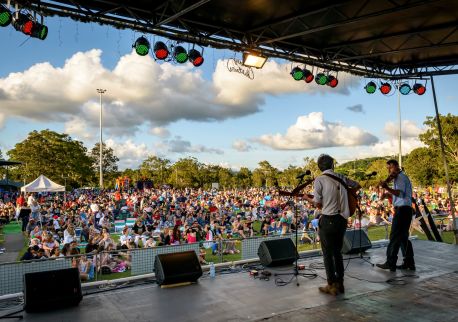
The annual Seasons of New England Expo in March celebrates the region’s finest produce, artisan creations, and local brewers and distillers, with a host of live music and other entertainment thrown into the mix.

Seasons of New England Expo, Uralla - Credit: Simon Scott
This part of NSW is home to some fabulous vineyards through the New England wine region. Visit cellar doors at Eastview Estate and Dobson’s Distillery (also home to an amazing speakeasy cocktail bar), and Merilba Estate Wines. Beer aficionados will love the New England Brewing Company, which pours craft beers in a converted wool store.

New England Brewing Co., Uralla
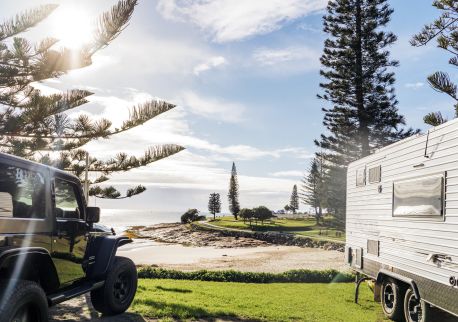
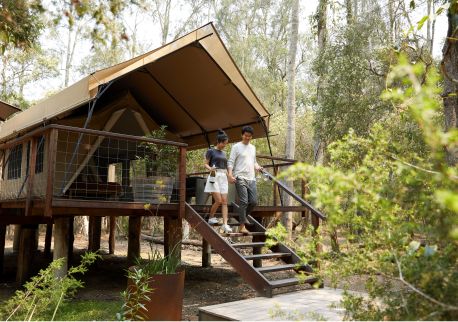
Uralla is a 5.5-hour drive from Sydney, six hours from Brisbane, just over an hour from Tamworth and only 20 minutes from Armidale. Take a train trip from Sydney to Uralla, via the Upper Hunter, or fly to Armidale and rent a car for the short drive south. You can also fly into Tamworth, which is around an hour’s drive south of Uralla. You’ll find plenty of places to stay, from camping and caravanning to cottages, motels, farm stays and heritage pubs.
VisitNSW.com is the official tourism site for Destination NSW.
© Copyright 2026 Destination NSW. All rights reserved


