








Gossy Weekender
Event dates to be confirmed: October – October 2026


Product List
Product List
Overview
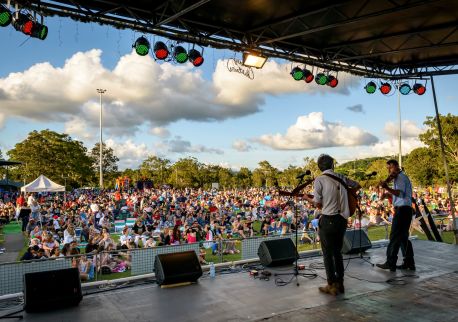
Gossy Weekender is a vibrant multi-venue music festival that activates Gosford CBD.
Gosford will transform into the Central Coast's premier live music and entertainment destination for three days of non-stop performances and community celebration.
Gossy Weekender will deliver three jam-packed days of live music across multiple venues within Gosford's thriving Entertainment Precinct. Festival-goers can expect an eclectic mix of national…
Gossy Weekender is a vibrant multi-venue music festival that activates Gosford CBD.
Gosford will transform into the Central Coast's premier live music and entertainment destination for three days of non-stop performances and community celebration.
Gossy Weekender will deliver three jam-packed days of live music across multiple venues within Gosford's thriving Entertainment Precinct. Festival-goers can expect an eclectic mix of national touring acts, emerging artists, and homegrown local talent, with a diverse program spanning genres and styles to cater for all audiences.
Stay tuned for more deatils coming soon!
Get in touch
Location
FAQs
Accessibility
A quiet space is available at the venue/ facility
Allows a person's carer free entry into participating venues and events
Actively welcomes people with access needs.
Adhere to The Food Authority requirements for allergy management in food preparation
Caters for people who are blind or have vision loss
Caters for people who are deaf or have hearing loss
Caters for people who use a wheelchair.
Caters for people with allergies and intolerances.
Caters for people with high support needs who travel with a support person
Caters for people with sufficient mobility to climb a few steps but who would benefit from fixtures to aid balance. (This includes people using walking frames and mobility aids)
Employ people with disability
Have a low noise reception areas with hearing loss friendly acoustics and adequate lighting for viewing facial expressions (includes common areas which are free of background noise, background music)
Have a wheelchair accessible toilet / shower and change room
Have accessibility information and photos, including of a bathroom, room and/or floor plan on your website (can be emailed on request)
Have accessible seating areas in theatrette
Have an accessible public toilet which is unlocked
Have an appropriate area for toileting an assistance dog
Have at least one wheelchair accessible parking space with wheelchair accessible signage clearly displayed (International standards are 3200mm wide x 2500 mm high)
Have doorways which are easy to open and have lever handles (doorways 850mm or wider when open and not heavy)
Have grab rails in the bathroom
Have handrails on all your stairways
Have lifts with enough space for people using a mobility aid to enter and turn around to use the lift buttons. Buttons are at accessible height.
Offer multiple options for booking - web, email, phone
Provide assistance with booking arrangements (includes providing clear itineraries with written instructions on what to do at various destinations)
Provide information in large print
Provide seating in common areas including reception area
Train your staff in customer service for people with vision loss (training would incorporate way finding and communicating with people with vision loss)
Train your staff in communicating with people who are deaf or have hearing loss
Train your staff in communicating with people with learning or behavioural challenges
Train your staff in disability awareness
Train your staff to respond to allergic reactions
Use easy read fonts in your signage and communication materials (Helvetica and Arial)
Use floors/coverings which are slip resistant, firm and smooth
Use Plain English / easy read signage and information (includes menus and emergency information)
Welcomes and assists people who have challenges with learning, communication, understanding and behaviour. (includes people with autism, intellectual disability, Down syndrome, acquired brain injury (ABI), dyslexia and dementia)