
















Forever Changed – Nat Bartsch
Thu 16 Jul '26


Product List
Product List
Overview
In association with Musica Viva Australia
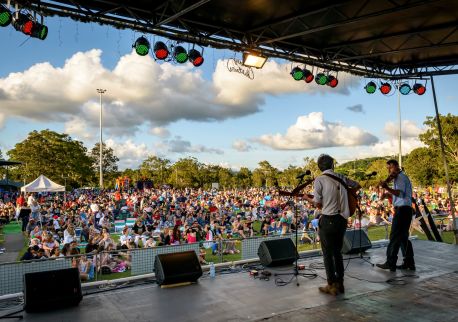
This unique concert, performed in a relaxed setting, features lullabies reimagined through a neurodivergent lens, creating an atmospheric sound-world that blends piano, sampled harp and strings, field recordings, and ambient electronics.
In this immersive performance by ARIA-nominated pianist and composer Nat Bartsch, we invite you to experience music in a way that suits you. With flexible seating –…
In association with Musica Viva Australia
This unique concert, performed in a relaxed setting, features lullabies reimagined through a neurodivergent lens, creating an atmospheric sound-world that blends piano, sampled harp and strings, field recordings, and ambient electronics.
In this immersive performance by ARIA-nominated pianist and composer Nat Bartsch, we invite you to experience music in a way that suits you. With flexible seating – including the option to relax on bean bags right on stage – soft lighting and a welcoming environment, this is a space designed for comfort, connection, and calm.
2024's Forever Changed was recorded at home with her seven year old son sleeping down the hall, and celebrates Nat's discovery of her autistic/ADHD identity in her late 30s while reflecting upon the enormous changes that have occurred in her life since.
Whether you're seeking a soothing moment of stillness or an immersive auditory journey, this is a heartfelt invitation to find solace and joy, in an authentic way.
On Stage ticketing option – this ticket is ideal for audience members who prefer a more immersive, relaxed setting. Limited availability
Join us on stage for a unique and intimate concert experience.
Get in touch
Location
FAQs
Accessibility
Access and Inclusion Statement
A quiet space is available at the venue/ facility
Allows a person's carer free entry into participating venues and events
Actively welcomes people with access needs.
Caters for people who are blind or have vision loss
Caters for people who are deaf or have hearing loss
Caters for people who use a wheelchair.
Caters for people with sufficient mobility to climb a few steps but who would benefit from fixtures to aid balance. (This includes people using walking frames and mobility aids)
Have a doorbell or intercom at an accessible height and display a contact number (accessible height is 900mm-1100 mm)
Have a hearing loop
Have a step free main entrance to the building and/or reception area (includes ramps or slopes with a maximum gradient of 1:14, otherwise are too steep for wheelchairs)
Have accessibility information and photos, including of a bathroom, room and/or floor plan on your website (can be emailed on request)
Have accessible seating areas in theatrette
Have an accessible public toilet which is unlocked
Have an appropriate area for toileting an assistance dog
Have at least one wheelchair accessible parking space with wheelchair accessible signage clearly displayed (International standards are 3200mm wide x 2500 mm high)
Have Exit signs which are visible at a ground level (high level signs are difficult to see in a fire)
Have grab rails in the bathroom
Have step free access to the conference or function room
Have step free outdoor pathways (includes picnic areas, barbecues and shelters)
Have visual alerts for emergencies (Include flashing light)
Have wheelchair accessible transport options available in the general vicinity (provide information on name of the operator, phone and website link to individual providers for private vehicles, community transport train, mini vans, hire cars, buses, taxis, ferry, tram, light rail etc in your access statement)
Offer a range of contact methods for receiving complaints
Offer multiple options for booking - web, email, phone
Provide information in large print
Provide seating in common areas including reception area
Train your staff in customer service for people with vision loss (training would incorporate way finding and communicating with people with vision loss)
Train your staff in communicating with people who are deaf or have hearing loss
Train your staff in communicating with people with learning or behavioural challenges
Train your staff in disability awareness
Use easy read fonts in your signage and communication materials (Helvetica and Arial)
Use Plain English / easy read signage and information (includes menus and emergency information)
Welcomes and assists people who have challenges with learning, communication, understanding and behaviour. (includes people with autism, intellectual disability, Down syndrome, acquired brain injury (ABI), dyslexia and dementia)