


















WIN-Stadion

Product List
Product List
Überblick
Das WIN Stadium in Wollongong ist eine erstklassige Mehrzweckarena, die für eine Vielzahl von Sport-, Kultur- und Sonderveranstaltungen konzipiert wurde. Mit einer Gesamtkapazität von 20.500 Plätzen bietet das Stadion 14.000 Sitzplätze auf der Haupttribüne sowie einen Stehplatzbereich.
Als Heimstätte der St. George Illawarra Dragons in der National Rugby League hat das WIN Stadium auch schon große internationale Künstler und Events begrüßt…
Das WIN Stadium in Wollongong ist eine erstklassige Mehrzweckarena, die für eine Vielzahl von Sport-, Kultur- und Sonderveranstaltungen konzipiert wurde. Mit einer Gesamtkapazität von 20.500 Plätzen bietet das Stadion 14.000 Sitzplätze auf der Haupttribüne sowie einen Stehplatzbereich.
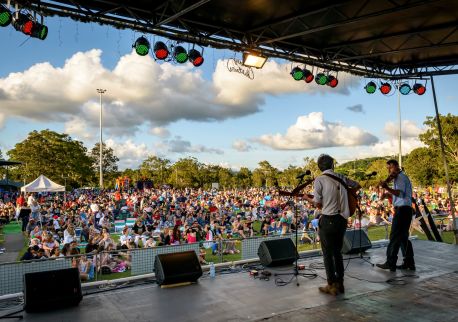
Als Heimstätte der St. George Illawarra Dragons in der National Rugby League hat das WIN Stadium auch schon große internationale Künstler und Events begrüßt. 2017 war es einer der wenigen australischen Veranstaltungsorte für Elton Johns „Once in a Lifetime Tour“ und ist regelmäßig Austragungsort von actionreichen MotoX-Events wie der Australian Supercross Series, Nitro Circus und Freestyle Kings Live. 2021 diente es während der A-League-Saison als offizielle australische Heimspielstätte der Wellington Phoenix.
Das Stadion verfügt über eine Vielzahl vielseitiger Räumlichkeiten, die sich ideal für Firmenveranstaltungen wie Kongresse, Ausstellungen, Seminare, Galadinner und Teambuilding-Aktivitäten eignen. Für zwangloses Essen ist ganzjährig in verschiedenen Gastronomiebetrieben vor Ort gesorgt.
Das WIN Stadium ist stolzer Teil von Venues NSW, wobei die WIN Corporation als offizieller Namenssponsor fungiert – und damit die längste Namenssponsor-Partnerschaft in Australien vorweisen kann.
Kontaktieren Sie uns
Product List
Ähnliche Artikel
Product List
Standort
FAQs
Zugänglichkeit
A quiet space is available at the venue/ facility
Ermöglicht der Betreuungsperson einer Person freien Eintritt zu teilnehmenden Veranstaltungsorten und Events.
Actively welcomes people with access needs.
Adhere to The Food Authority requirements for allergy management in food preparation
Ask all visitors if there are any specific needs to be met
Geeignet für blinde oder sehbehinderte Menschen
Geeignet für Menschen mit Hörbehinderung oder Taubheitsgefühl.
Geeignet für Rollstuhlfahrer.
Caters for people with allergies and intolerances.
Geeignet für Personen, die zwar einige Stufen steigen können, aber von Haltegriffen profitieren würden. (Dies schließt Personen ein, die Gehhilfen und Mobilitätshilfen benutzen.)
Employ people with disability
Have Braille and tactile signage on all information and paths of travel
Have a hearing loop
Have a step free main entrance to the building and/or reception area (includes ramps or slopes with a maximum gradient of 1:14, otherwise are too steep for wheelchairs)
Have accessible seating areas in theatrette
Have an accessible public toilet which is unlocked
Have doorways which are easy to open and have lever handles (doorways 850mm or wider when open and not heavy)
Have equipment to respond to anaphylactic shock such as epi–pens and defibrillator
Have Exit signs which are visible at a ground level (high level signs are difficult to see in a fire)
Have grab rails in the bathroom
Have handrails on all your stairways
Have lifts with enough space for people using a mobility aid to enter and turn around to use the lift buttons. Buttons are at accessible height.
Installieren Sie erhabene taktile Tasten in Ihren Aufzügen.
Have step free access to the conference or function room
Have step free outdoor pathways (includes picnic areas, barbecues and shelters)
Have visual alerts for emergencies (Include flashing light)
Modify your cooking and cleaning practices to cater for people with food allergies or chemical intolerances (could include menus with meals free from: nuts, dairy, seafood, eggs, gluten etc)
Offer a range of contact methods for receiving complaints
Offer multiple options for booking - web, email, phone
Informationen in Großdruck bereitstellen
Provide seating in common areas including reception area
Train your staff in customer service for people with vision loss (training would incorporate way finding and communicating with people with vision loss)
Train your staff in communicating with people who are deaf or have hearing loss
Train your staff in communicating with people with learning or behavioural challenges
Train your staff in disability awareness
Train your staff to respond to allergic reactions
Use easy read fonts in your signage and communication materials (Helvetica and Arial)
Use floors/coverings which are slip resistant, firm and smooth
Use non-slip tiles in the bathroom or slip resistant matting
Use Plain English / easy read signage and information (includes menus and emergency information)
Welcomes and assists people who have challenges with learning, communication, understanding and behaviour. (includes people with autism, intellectual disability, Down syndrome, acquired brain injury (ABI), dyslexia and dementia)