













Coffs Coast Wildlife Sanctuary


Highlights
- Meet rescued dolphins, sea lions, penguins and more up close
- Hands-on, educational experiences for all ages
- Located in scenic Coffs Harbour on the NSW coast
Overview
Coffs Coast Wildlife Sanctuary is a not-for-profit wildlife attraction dedicated to rescue, rehabilitation, conservation and education.
Visitors can meet dolphins, Australian sea lions, little penguins, turtles and other native wildlife. Daily presentations share stories about animal care, positive reinforcement training and wildlife conservation. Guests can also discover how injured and displaced marine animals are rescued, treated and prepared for release.
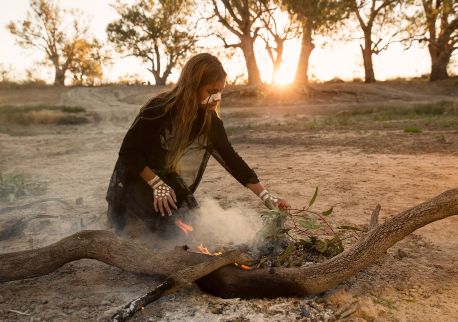
The Dolphin Dreamtime presentation shares a traditional Gumbaynggirr story and celebrates the Sanctuary's connection to Country. Ethical animal experiences and behind-the-scenes tours offer closer encounters while placing animal choice and welfare first.
Once a traditional marine park, the facility has been transformed into a wildlife sanctuary with a meaningful purpose. Every visit supports the lifelong care of legacy animals and the rescue and rehabilitation of native wildlife across the Mid North Coast.
Get in touch
More Like This
Deals

Call us on 02 66591900 to book your Winter Wildlife Encounters or secure your preferred date and time online.
Early bookings are recommended due to limited availability.
Subject to availability
Private bookings include up to 5 people
Not valid with other promotions
Membership discount does not apply
Standard animal welfare, safety & weather conditions apply
Location
FAQs
Accessibility
A quiet space is available at the venue/ facility
Allows a person's carer free entry into participating venues and events
Actively welcomes people with access needs.
Advise tour guides of the access needs of guests at the time of booking (includes pick up and drop off requirements)
Ask all visitors if there are any specific needs to be met
Caters for people who are blind or have vision loss
Caters for people who are deaf or have hearing loss
Caters for people who use a wheelchair.
Caters for people with allergies and intolerances.
Caters for people with sufficient mobility to climb a few steps but who would benefit from fixtures to aid balance. (This includes people using walking frames and mobility aids)
Employ people with disability
Have a step free main entrance to the building and/or reception area (includes ramps or slopes with a maximum gradient of 1:14, otherwise are too steep for wheelchairs)
Have a wheelchair accessible toilet / shower and change room
Have a wheelchair/scooter charging station (power point) in an accessible location
Have accessible seating areas in theatrette
Have an accessible public toilet which is unlocked
Have at least one wheelchair accessible parking space with wheelchair accessible signage clearly displayed (International standards are 3200mm wide x 2500 mm high)
Have doorways which are easy to open and have lever handles (doorways 850mm or wider when open and not heavy)
Have equipment to respond to anaphylactic shock such as epi–pens and defibrillator
Have grab rails in the bathroom
Have handrails on all your stairways
Have step free access to restaurant, lounge and bar
Have step free access to the conference or function room
Have step free outdoor pathways (includes picnic areas, barbecues and shelters)
Have wheelchair access to amusements and activities including boats and bush trails (includes tour rides, skyways, trolley cars, flying fox, amusement rides and boating)
Have wheelchair accessible picnic tables (picnic tables require 720mm knee clearance and 800mm maximum height)
Offer a range of contact methods for receiving complaints
Offer multiple options for booking - web, email, phone
Provide assistance with booking arrangements (includes providing clear itineraries with written instructions on what to do at various destinations)
Provide information in audio format (includes an audio described map of your venue, audio descs of performances and/ or displays)
Provide seating in common areas including reception area
Provide wheelchair access to spa/gym
Train your staff in customer service for people with vision loss (training would incorporate way finding and communicating with people with vision loss)
Train your staff in communicating with people who are deaf or have hearing loss
Train your staff in communicating with people with learning or behavioural challenges
Train your staff in disability awareness
Train your staff to respond to allergic reactions
Use easy read fonts in your signage and communication materials (Helvetica and Arial)
Use Plain English / easy read signage and information (includes menus and emergency information)
Welcomes and assists people who have challenges with learning, communication, understanding and behaviour. (includes people with autism, intellectual disability, Down syndrome, acquired brain injury (ABI), dyslexia and dementia)