








One Hour Quad Bike Tour


Product List
Product List
Overview
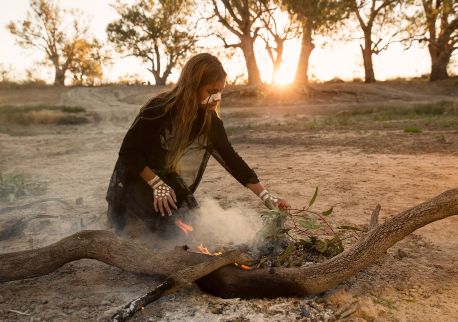
Head off through a regenerated bush track onto Stockton Sand Dunes on a tag-a-long tour led by Aboriginal guides riding only at a speed the clients are comfortable with. From the top of the highest dunes, which can reach 40 metres in height, you can enjoy 360-degree views of the area. The 400cc Kymco Quad Bikes are fully automatic and exceptionally safe.
You will be given an introduction to the quad bikes, including safe ATV handling and…
Head off through a regenerated bush track onto Stockton Sand Dunes on a tag-a-long tour led by Aboriginal guides riding only at a speed the clients are comfortable with. From the top of the highest dunes, which can reach 40 metres in height, you can enjoy 360-degree views of the area. The 400cc Kymco Quad Bikes are fully automatic and exceptionally safe.
You will be given an introduction to the quad bikes, including safe ATV handling and riding techniques. A helmet will be arranged for you as well before you head off.
Highest coastal sand dunes in the Southern Hemisphere and they are not open to the public, so the only way to see the big dunes is through Sand Dune Adventures.
No experience is necessary.
Please note: the high dunes are dangerous for untrained riders and are only available under the tour guide's supervision.
Get in touch

Location
FAQs
Accessibility
A quiet space is available at the venue/ facility
Actively welcomes people with access needs.
Advise tour guides of the access needs of guests at the time of booking (includes pick up and drop off requirements)
Caption all entertainment (TVs, live shows, performances)
Caters for people who are deaf or have hearing loss
Caters for people who use a wheelchair.
Caters for people with sufficient mobility to climb a few steps but who would benefit from fixtures to aid balance. (This includes people using walking frames and mobility aids)
Have a doorbell or intercom at an accessible height and display a contact number (accessible height is 900mm-1100 mm)
Have a low noise reception areas with hearing loss friendly acoustics and adequate lighting for viewing facial expressions (includes common areas which are free of background noise, background music)
Have a step free main entrance to the building and/or reception area (includes ramps or slopes with a maximum gradient of 1:14, otherwise are too steep for wheelchairs)
Have a wheelchair accessible toilet / shower and change room
Have accessible seating areas in theatrette
Have an accessible public toilet which is unlocked
Have at least one wheelchair accessible parking space with wheelchair accessible signage clearly displayed (International standards are 3200mm wide x 2500 mm high)
Have doorways which are easy to open and have lever handles (doorways 850mm or wider when open and not heavy)
Have grab rails in the bathroom
Have step free access to restaurant, lounge and bar
Have step free access to the conference or function room
Have step free outdoor pathways (includes picnic areas, barbecues and shelters)
Have TVs with captioning option
Have visual alerts for emergencies (Include flashing light)
Offer a range of contact methods for receiving complaints
Offer multiple options for booking - web, email, phone
Provide assistance with booking arrangements (includes providing clear itineraries with written instructions on what to do at various destinations)
Provide seating in common areas including reception area
Train your staff in communicating with people who are deaf or have hearing loss
Train your staff in communicating with people with learning or behavioural challenges
Train your staff in disability awareness
Use floors/coverings which are slip resistant, firm and smooth
Use non-slip tiles in the bathroom or slip resistant matting
Use Plain English / easy read signage and information (includes menus and emergency information)
Welcomes and assists people who have challenges with learning, communication, understanding and behaviour. (includes people with autism, intellectual disability, Down syndrome, acquired brain injury (ABI), dyslexia and dementia)