










Woodburn and New Italy - Richmond Valley


Overview
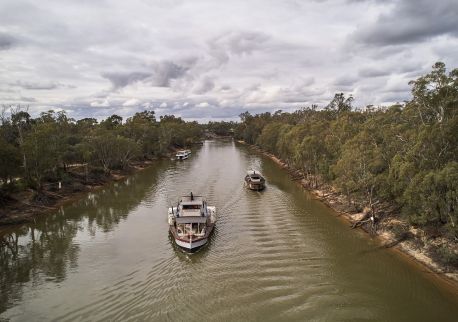
In the early 1840s, cedar cutters established a settlement named "Rocky Mouth." Renamed Woodburn by postmaster William Gollan—a change officialized in 1896—the town grew alongside a booming timber industry. In 1847, timber merchant Billy Wright commissioned large vessels to navigate the Richmond River, driving the development of essential river ports like Wardell, Broadwater, and Coraki.
Modern Woodburn began forming in the early 1860s after first settler William Cravigan arrived. Commercial growth, general stores, and law enforcement flourished on the northern bank, while the southern side added a Presbyterian Church and a school. By the 1870s, the district had become a major sugar-growing hub, cementing Woodburn's status as a key port.
A distinct chapter unfolded in 1882 when Italian survivors of the ill-fated Marquis de Rays expedition settled nearby. Overcoming severe hardships, they created a thriving community known as "New Italy," leaving a lasting cultural heritage across the district.
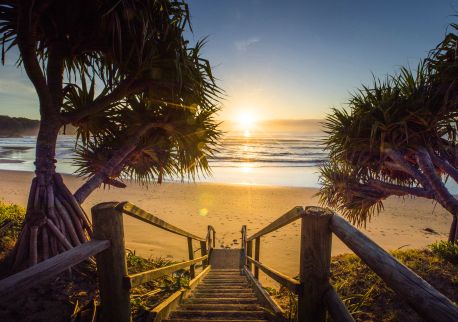
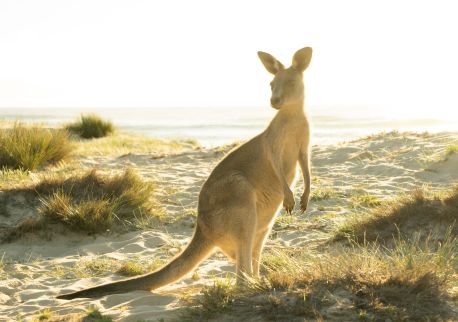
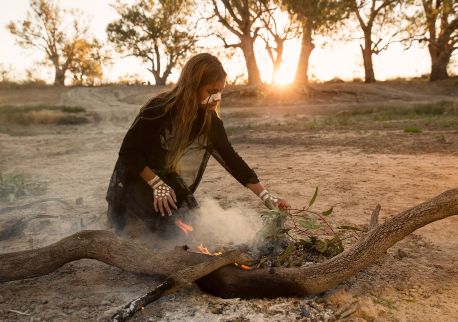
Bordering Woodburn is Bundjalung National Park, named after its traditional custodians whose ancient middens dot the landscape. Encompassing 17,000 hectares of coastal ecosystems, it protects native wildlife and sacred sites like Mibanbah (Black Rocks) and Jerusalem Creek, remaining a significant natural and cultural sanctuary.
Get in touch
Our Tours


Location
FAQs
Accessibility
Does not cater for people with access needs.