












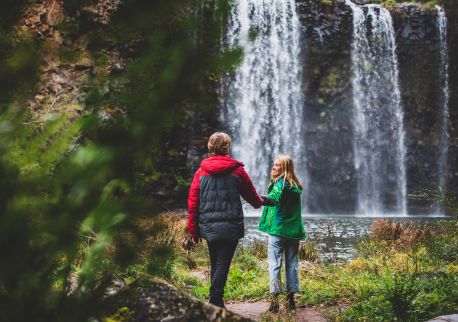

Boho Alpaca Picnic


Overview
Your experience begins with a 30-minute scenic walk around the farm and down to the dam with your very own alpaca or llama companion, followed by a 30-minute hand-feeding session with their friendly herd. You'll have plenty of time to pat, cuddle and feed your new fluffy friends while capturing truly heart-warming photos.
After your tour, make your way to their beautifully styled boho picnic area, in a shady area on their farm – complete with comfy chairs, pillows, blankets and flowers. Settle in and relax as you enjoy a delicious grazing platter filled with sweet and savoury delights. It's the perfect way to unwind and soak up their peaceful farm atmosphere!
Get in touch
Our Tours


Location
FAQs
Accessibility
A quiet space is available at the venue/ facility
Allows a person's carer free entry into participating venues and events
Actively welcomes people with access needs.
Advise tour guides of the access needs of guests at the time of booking (includes pick up and drop off requirements)
Caters for people who are blind or have vision loss
Caters for people who use a wheelchair.
Caters for people with allergies and intolerances.
Have a step free main entrance to the building and/or reception area (includes ramps or slopes with a maximum gradient of 1:14, otherwise are too steep for wheelchairs)
Have a wheelchair accessible toilet / shower and change room
Have accessibility information and photos, including of a bathroom, room and/or floor plan on your website (can be emailed on request)
Have an accessible public toilet which is unlocked
Have an appropriate area for toileting an assistance dog
Have at least one wheelchair accessible parking space with wheelchair accessible signage clearly displayed (International standards are 3200mm wide x 2500 mm high)
Have doorways which are easy to open and have lever handles (doorways 850mm or wider when open and not heavy)
Have equipment to respond to anaphylactic shock such as epi–pens and defibrillator
Have step free access to the conference or function room
Have step free outdoor pathways (includes picnic areas, barbecues and shelters)
Modify your cooking and cleaning practices to cater for people with food allergies or chemical intolerances (could include menus with meals free from: nuts, dairy, seafood, eggs, gluten etc)
Offer a range of contact methods for receiving complaints
Offer multiple options for booking - web, email, phone
Provide assistance with booking arrangements (includes providing clear itineraries with written instructions on what to do at various destinations)
Train your staff in disability awareness
Train your staff to respond to allergic reactions
Use Plain English / easy read signage and information (includes menus and emergency information)
Welcomes and assists people who have challenges with learning, communication, understanding and behaviour. (includes people with autism, intellectual disability, Down syndrome, acquired brain injury (ABI), dyslexia and dementia)