









Tweed Regional Museum


Highlights
- Interactive exhibits share Tweed’s unique land, life and culture
- Blend of heritage charm and modern design in a scenic setting
- Year-round events, workshops and family-friendly activities
Overview
Tweed Regional Museum collects, preserves and shares the stories of the Tweed community, creating inspiring experiences that connect people to place, culture and history. Located in the heart of the region, the Museum sparks curiosity and offers meaningful cultural experiences in unexpected and memorable ways.
Set within a striking building that blends heritage architecture with contemporary design, Tweed Regional Museum presents a year‑round program of exhibitions, events, public programs and learning experiences for visitors of all ages.
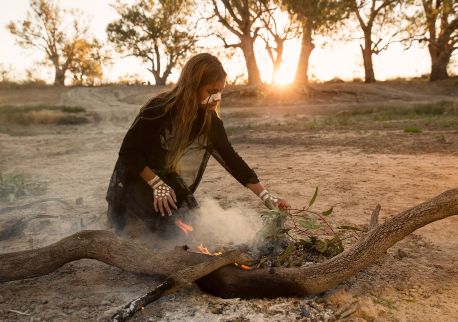
The Museum is home to Land, Life, Culture, a permanent, interactive exhibition exploring the cultural, biological and geological stories that shape life in the Tweed. Through immersive displays, the exhibition shares stories of land, people and place, featuring vivid graphics of the region's iconic landscapes, natural specimens, a dedicated children's interactive area, and cultural stories shared by local Aboriginal community members.
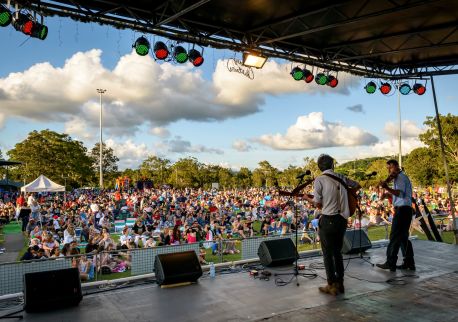
A vibrant program of changing exhibitions highlights the Museum's collection alongside contemporary stories about significant people, places and events from across the Tweed. The Museum also delivers engaging activities onsite and across the region, including school holiday programs, Up Late events, Museum on Wheels activations and hands‑on workshops.
Tweed Regional Museum offers enriching experiences for locals and visitors alike.
Get in touch
More Like This
Location
FAQs
Accessibility
Actively welcomes people with access needs.
Advise tour guides of the access needs of guests at the time of booking (includes pick up and drop off requirements)
Caption all entertainment (TVs, live shows, performances)
Caters for people who are deaf or have hearing loss
Caters for people who use a wheelchair.
Caters for people with sufficient mobility to climb a few steps but who would benefit from fixtures to aid balance. (This includes people using walking frames and mobility aids)
Have a step free main entrance to the building and/or reception area (includes ramps or slopes with a maximum gradient of 1:14, otherwise are too steep for wheelchairs)
Have accessibility information and photos, including of a bathroom, room and/or floor plan on your website (can be emailed on request)
Have an accessible public toilet which is unlocked
Have at least one wheelchair accessible parking space with wheelchair accessible signage clearly displayed (International standards are 3200mm wide x 2500 mm high)
Have grab rails in the bathroom
Have lifts with enough space for people using a mobility aid to enter and turn around to use the lift buttons. Buttons are at accessible height.
Offer a range of contact methods for receiving complaints
Offer multiple options for booking - web, email, phone
Train your staff in disability awareness
Use floors/coverings which are slip resistant, firm and smooth
Use non-slip tiles in the bathroom or slip resistant matting
Use Plain English / easy read signage and information (includes menus and emergency information)
Welcomes and assists people who have challenges with learning, communication, understanding and behaviour. (includes people with autism, intellectual disability, Down syndrome, acquired brain injury (ABI), dyslexia and dementia)