








The Lock-Up


Highlights
- Explore art in a historic 1861 police station and heritage-listed cells
- Experience cutting-edge exhibitions and site-specific installations
- Located in Newcastle’s vibrant inner city creative hub
Overview
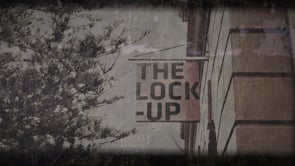
The Lock-Up is a place of vital encounter between the arts and audiences of today, housed within Muloobinba/Newcastle's original 1861 lock-up on Awabakal and Worimi Country. They support the production, commission, research, residencies and presentation of contemporary multiform art. They are a space to investigate the social issues of today and the cultural forms of tomorrow through critical, artist-led, multidisciplinary and experimental practice. The Lock-Up firmly believes in artists taking risks.
Located in one of Newcastle's most significant heritage buildings, The Lock-Up is an award-winning independent multidisciplinary contemporary arts space and inner-city creative hub. Listed in the NSW Heritage Register, The Lock-Up was the Newcastle Police Station and lock-up from 1861 until its closure in 1982.
The building includes a purpose-built gallery space, rare heritage-listed cells, an event and installation space in the former exercise yard, and an on-site apartment for multidisciplinary residencies.
Get in touch
More Like This
Location
FAQs
Accessibility
Actively welcomes people with access needs.
Ask all visitors if there are any specific needs to be met
Caters for people who use a wheelchair.
Caters for people with high support needs who travel with a support person
Caters for people with sufficient mobility to climb a few steps but who would benefit from fixtures to aid balance. (This includes people using walking frames and mobility aids)
Have a step free main entrance to the building and/or reception area (includes ramps or slopes with a maximum gradient of 1:14, otherwise are too steep for wheelchairs)
Have accessibility information and photos, including of a bathroom, room and/or floor plan on your website (can be emailed on request)
Have an accessible public toilet which is unlocked
Have at least one wheelchair accessible parking space with wheelchair accessible signage clearly displayed (International standards are 3200mm wide x 2500 mm high)
Have grab rails in the bathroom
Have step free access to the conference or function room
Have step free outdoor pathways (includes picnic areas, barbecues and shelters)
Have wheelchair accessible transport options available in the general vicinity (provide information on name of the operator, phone and website link to individual providers for private vehicles, community transport train, mini vans, hire cars, buses, taxis, ferry, tram, light rail etc in your access statement)
Offer a range of contact methods for receiving complaints
Provide seating in common areas including reception area
Train your staff in communicating with people with learning or behavioural challenges
Use floors/coverings which are slip resistant, firm and smooth
Use Plain English / easy read signage and information (includes menus and emergency information)
Welcomes and assists people who have challenges with learning, communication, understanding and behaviour. (includes people with autism, intellectual disability, Down syndrome, acquired brain injury (ABI), dyslexia and dementia)