

















Tocal's Peek into the Past
Sun 26 Jul '26


Product List
Product List
Overview
Peek into the Past is when Tocal Homestead comes alive with the sights, sounds and smells of yesteryear. It is the perfect old worldly day out for the whole family to become immersed in the nostalgia.
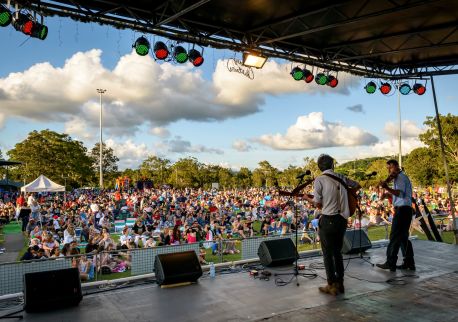
Music whispers across the site intermingling with the sounds of vintage machinery and the clanking of the blacksmiths hammer. The smell of freshly baked scones from the wood oven accompanied with a cup of tea is the perfect warmth you need on this…
Peek into the Past is when Tocal Homestead comes alive with the sights, sounds and smells of yesteryear. It is the perfect old worldly day out for the whole family to become immersed in the nostalgia.
Music whispers across the site intermingling with the sounds of vintage machinery and the clanking of the blacksmiths hammer. The smell of freshly baked scones from the wood oven accompanied with a cup of tea is the perfect warmth you need on this winter’s day out. Make sure you enjoy a piece of damper from the camp fire, topped with ‘cocky’s joy’. Try your hand at traditional bush games and then watch the local straw broom maker at work. Keep an eye out for the ‘redcoats’ of the soldiers of the 73rd Regiment of Foot; they will fire their muskets and march through the site. And they don’t mind if you wander around their encampment and chat to them about what they do.
Drop in to hear one of the history talks to learn how it all came about.
There are heritage clothing parades, machinery demonstrations, farm animals including calf feeding, tractors at work, and the original Rolls Royce of the Homestead on display. There will also be sheep shearing and working vintage machinery.
So much for all the family to enjoy.
Get in touch
Location
FAQs
Accessibility
Allows a person's carer free entry into participating venues and events
Actively welcomes people with access needs.
Advise tour guides of the access needs of guests at the time of booking (includes pick up and drop off requirements)
Caters for people who are blind or have vision loss
Caters for people who are deaf or have hearing loss
Caters for people who use a wheelchair.
Caters for people with allergies and intolerances.
Caters for people with high support needs who travel with a support person
Caters for people with sufficient mobility to climb a few steps but who would benefit from fixtures to aid balance. (This includes people using walking frames and mobility aids)
Employ people with disability
Have a wheelchair accessible toilet / shower and change room
Have an accessible public toilet which is unlocked
Have equipment to respond to anaphylactic shock such as epi–pens and defibrillator
Have Exit signs which are visible at a ground level (high level signs are difficult to see in a fire)
Have grab rails in the bathroom
Have handrails on all your stairways
Have step free outdoor pathways (includes picnic areas, barbecues and shelters)
Modify your cooking and cleaning practices to cater for people with food allergies or chemical intolerances (could include menus with meals free from: nuts, dairy, seafood, eggs, gluten etc)
Offer a range of contact methods for receiving complaints
Offer multiple options for booking - web, email, phone
Provide assistance with booking arrangements (includes providing clear itineraries with written instructions on what to do at various destinations)
Provide digital communication materials (hard copy information is also available on line)
Provide information in large print
Provide seating in common areas including reception area
Train your staff in customer service for people with vision loss (training would incorporate way finding and communicating with people with vision loss)
Train your staff in communicating with people with learning or behavioural challenges
Train your staff in disability awareness
Train your staff to respond to allergic reactions
Use easy read fonts in your signage and communication materials (Helvetica and Arial)
Use floors/coverings which are slip resistant, firm and smooth
Use Plain English / easy read signage and information (includes menus and emergency information)
Welcomes and assists people who have challenges with learning, communication, understanding and behaviour. (includes people with autism, intellectual disability, Down syndrome, acquired brain injury (ABI), dyslexia and dementia)