















The Barracks Tocal


Product List
Product List
Highlights
- Stay on a historic colonial farm with beautifully restored suites
- Enjoy air-conditioned comfort with cosy fireplaces and scenic views
- Complimentary gourmet breakfast hamper delivered to your suite
Overview
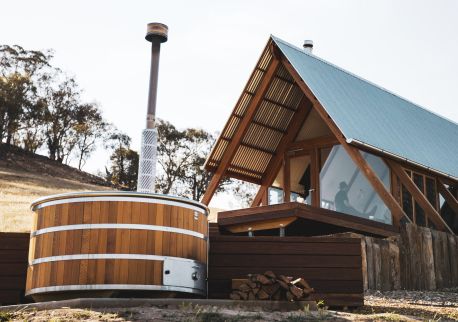
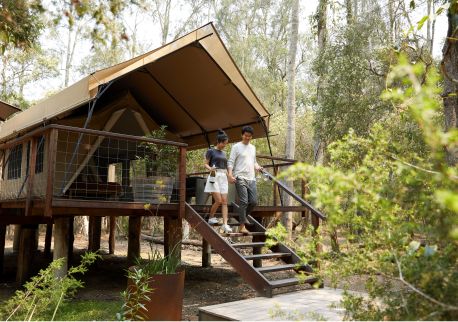
Situated on one of Australia's oldest colonial working farms, The Barracks provides boutique accommodation on a unique heritage site. The Barracks consist of four suites that have been beautifully restored to provide elegant comforts in the same space where convicts and farmhands worked and toiled over 150 years ago.
Each suite allows guests to enjoy the same views of sweeping hillsides and colonial buildings in air-conditioned comfort. For…
Situated on one of Australia's oldest colonial working farms, The Barracks provides boutique accommodation on a unique heritage site. The Barracks consist of four suites that have been beautifully restored to provide elegant comforts in the same space where convicts and farmhands worked and toiled over 150 years ago.
Each suite allows guests to enjoy the same views of sweeping hillsides and colonial buildings in air-conditioned comfort. For those cool evenings, at the push of a button, a restored fireplace is available to warm the sitting room which makes it cosy and comfortable.
The sitting room, kitchenette and bathroom are downstairs while upstairs are the sleeping quarters. Queen-sized beds are in three of the suites with one suite providing two king-sized single beds.
Tea and coffee-making facilities are available in each little kitchenette with a Nespresso machine, kettle, toaster and bar fridge provided.
A gourmet breakfast hamper is complimentary and delivered to suite for you to enjoy at your leisure. If the view from the room isn't enough, enjoy a cup of tea outside on the veranda while watching the farm animals graze nearby.
Get in touch
Location
FAQs
Accessibility
A quiet space is available at the venue/ facility
Actively welcomes people with access needs.
Advise tour guides of the access needs of guests at the time of booking (includes pick up and drop off requirements)
Ask all visitors if there are any specific needs to be met
Caters for people who are blind or have vision loss
Caters for people who are deaf or have hearing loss
Caters for people with allergies and intolerances.
Caters for people with high support needs who travel with a support person
Caters for people with sufficient mobility to climb a few steps but who would benefit from fixtures to aid balance. (This includes people using walking frames and mobility aids)
Have accessibility information and photos, including of a bathroom, room and/or floor plan on your website (can be emailed on request)
Have equipment to respond to anaphylactic shock such as epi–pens and defibrillator
Have handrails on all your stairways
Have twin beds available on request
Modify your cooking and cleaning practices to cater for people with food allergies or chemical intolerances (could include menus with meals free from: nuts, dairy, seafood, eggs, gluten etc)
Offer a range of contact methods for receiving complaints
Offer multiple options for booking - web, email, phone
Provide assistance with booking arrangements (includes providing clear itineraries with written instructions on what to do at various destinations)
Provide digital communication materials (hard copy information is also available on line)
Provide information in audio format (includes an audio described map of your venue, audio descs of performances and/ or displays)
Provide information in large print
Provide seating in common areas including reception area
Train your staff in customer service for people with vision loss (training would incorporate way finding and communicating with people with vision loss)
Train your staff in communicating with people who are deaf or have hearing loss
Train your staff in communicating with people with learning or behavioural challenges
Train your staff in disability awareness
Train your staff to respond to allergic reactions
Use easy read fonts in your signage and communication materials (Helvetica and Arial)
Use Plain English / easy read signage and information (includes menus and emergency information)
Welcomes and assists people who have challenges with learning, communication, understanding and behaviour. (includes people with autism, intellectual disability, Down syndrome, acquired brain injury (ABI), dyslexia and dementia)