











Jones Winery, Cellar Door and Restaurant


Highlights
- Heritage wines with rich Rutherglen terroir and century-old vines
- Seasonal modern French bistro fare in a relaxed vineyard setting
- Warm family-run service with tastings, picnics, and vineyard stays
Overview
On Jones Road in Rutherglen, the Jones family has been growing grapes, making wine and welcoming visitors for six generations. Vines have been nurtured on the property since 1860, and today siblings Arthur and Mandy Jones, together with Arthur's son Ben, continue the family tradition. The estate is known for Rutherglen classics including Durif, Shiraz and Muscat, alongside alternative varieties such as Fiano and Marsanne, all grown on the property.
The wines are contemporary, expressive and built to age. The flagship L.J. wine comes from vines planted in 1905, while Ben Jones' Six Generations range reflects the family's commitment to innovation and quality. Arthur manages the vineyards and Murray Grey cattle, while Mandy and Ben craft wines that capture the character of the region. In the kitchen, Briony Bradford creates modern French bistro-inspired dishes with menus shaped by seasonal produce.
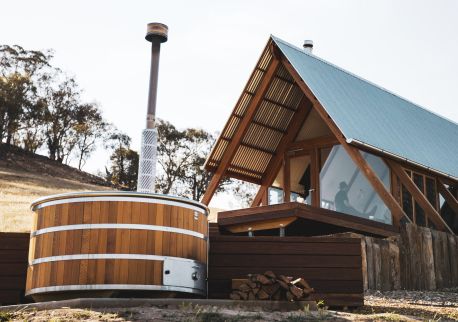
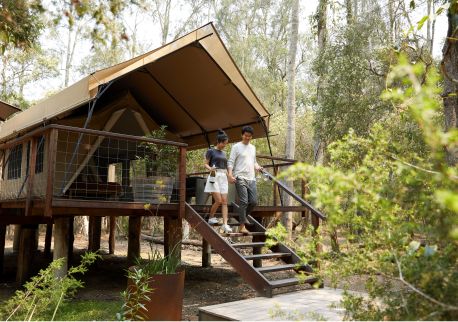
Visitors can enjoy tastings at the heritage cellar door, dine at the restaurant, picnic in the gardens, browse the sculpture gallery, or stay in the Jones Tiny House overlooking the vineyard.
Cyclists are warmly welcomed and will find bike racks, water refill facilities and a comfortable place to pause and recharge. Conveniently located on the Rutherglen Town Bike Loop and home to the Rutherglen Gourmet Amble experience, it is a great place to pause when exploring Rutherglen's renowned food and wine culture by bike.
Get in touch
More Like This
Location
FAQs
Accessibility
A quiet space is available at the venue/ facility
Actively welcomes people with access needs.
Caters for people who use a wheelchair.
Caters for people with allergies and intolerances.
Caters for people with sufficient mobility to climb a few steps but who would benefit from fixtures to aid balance. (This includes people using walking frames and mobility aids)
Employ people with disability
Have a step free main entrance to the building and/or reception area (includes ramps or slopes with a maximum gradient of 1:14, otherwise are too steep for wheelchairs)
Have a wheelchair accessible toilet / shower and change room
Have an accessible public toilet which is unlocked
Have grab rails in the bathroom
Have step free access to restaurant, lounge and bar
Have step free access to the conference or function room
Have step free outdoor pathways (includes picnic areas, barbecues and shelters)
Modify your cooking and cleaning practices to cater for people with food allergies or chemical intolerances (could include menus with meals free from: nuts, dairy, seafood, eggs, gluten etc)
Offer a range of contact methods for receiving complaints
Offer multiple options for booking - web, email, phone
Provide seating in common areas including reception area
Train your staff in disability awareness
Welcomes and assists people who have challenges with learning, communication, understanding and behaviour. (includes people with autism, intellectual disability, Down syndrome, acquired brain injury (ABI), dyslexia and dementia)