















Baajim Debüt-Soloausstellung
Sa. 05. Dez 26

Product List
Product List
Überblick
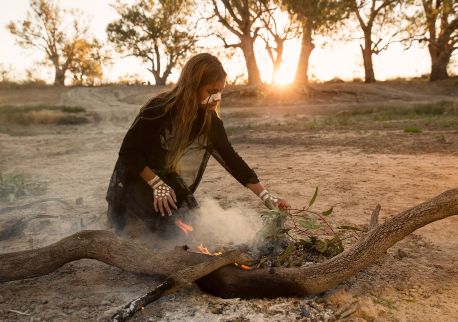
Baajim bedeutet Magie in der Sprache der Gumbaynggirr, und diese eindrucksvolle neue Ausstellung der Gumbaynggirr-Künstlerin Lilly Clegg feiert die Schönheit der Natur und erkundet das Gefühl, dass diese Welt weit mehr zu bieten hat, als man auf den ersten Blick erkennen kann. Lilly ist bildende Künstlerin, Weberin, Bildhauerin, Keramikerin und Kulturvermittlerin. Ihre kreative Praxis ist tief in der Natur und der Verbundenheit mit ihr…
Baajim bedeutet Magie in der Sprache der Gumbaynggirr, und diese eindrucksvolle neue Ausstellung der Gumbaynggirr-Künstlerin Lilly Clegg feiert die Schönheit der Natur und erkundet das Gefühl, dass diese Welt weit mehr zu bieten hat, als man auf den ersten Blick erkennen kann. Lilly ist bildende Künstlerin, Weberin, Bildhauerin, Keramikerin und Kulturvermittlerin. Ihre kreative Praxis ist tief in der Natur und der Verbundenheit mit ihr verwurzelt, und ihre lebendige erste Einzelausstellung spiegelt diese vielfältige Entdeckungsreise wider. Nach einer Jugend, die sie zwischen der Familie ihrer Mutter im Clarence Valley und einer Kommune in Mullumbimby verbrachte, hat sich Lillys zeitgenössische Kunst zu einer psychedelischen Übersetzung kultureller Erfahrungen entwickelt, reich an mystischer und astrologischer Symbolik.
Baajim lädt Sie ein, eine Welt zu erleben, die von uralter Weisheit, Kreativität und Verbundenheit geprägt ist. Jedes Kunstwerk birgt vielschichtige Bedeutungen in sich und ist eine Hommage an die Identität, das Land und den lebendigen Geist der Gumbaynggirr-Kultur. Baajim ist mehr als eine Ausstellung; Es ist eine Einladung, sich mit der Magie und dem Geheimnis einer unsichtbaren Welt zu verbinden, zu lernen und sie zu erleben.
Die Ausstellung wird in der Wadjar Regional Indigenous Gallery eröffnet. Für Erfrischungen ist gesorgt. Bitte melden Sie sich über Facebook, Humanitix oder die Website an, damit wir die Verpflegung besser planen können.
Vielen Dank an Create NSW für die Unterstützung öffentlicher Programme.
Kontaktieren Sie uns
Standort
Yarrawarra Aboriginal Cultural Centre
69 Red Rock Road Corindi Beach NSW 2456 Australien
Wegbeschreibung erhaltenFAQs
Zugänglichkeit
A quiet space is available at the venue/ facility
Actively welcomes people with access needs.
Adhere to The Food Authority requirements for allergy management in food preparation
Advise tour guides of the access needs of guests at the time of booking (includes pick up and drop off requirements)
Ask all visitors if there are any specific needs to be met
Geeignet für blinde oder sehbehinderte Menschen
Geeignet für Menschen mit Hörbehinderung oder Taubheitsgefühl.
Geeignet für Rollstuhlfahrer.
Caters for people with allergies and intolerances.
Geeignet für Menschen mit hohem Unterstützungsbedarf, die mit einer Begleitperson reisen.
Sorgen Sie für geräuscharme Empfangsbereiche mit hörbehindertengerechter Akustik und ausreichender Beleuchtung zur Erkennung von Gesichtsausdrücken (einschließlich Gemeinschaftsbereiche, die frei von Hintergrundgeräuschen und Hintergrundmusik sind).
Have a place to store medical equipment (eg oxygen)
Have a step free main entrance to the building and/or reception area (includes ramps or slopes with a maximum gradient of 1:14, otherwise are too steep for wheelchairs)
Have a wheelchair accessible toilet / shower and change room
Have accessible seating areas in theatrette
Have an accessible public toilet which is unlocked
Have at least one wheelchair accessible parking space with wheelchair accessible signage clearly displayed (International standards are 3200mm wide x 2500 mm high)
Have equipment to respond to anaphylactic shock such as epi–pens and defibrillator
Have Exit signs which are visible at a ground level (high level signs are difficult to see in a fire)
Have handrails on all your stairways
Have rooms which are interconnecting
Have step free access to restaurant, lounge and bar
Have step free access to the conference or function room
Have step free outdoor pathways (includes picnic areas, barbecues and shelters)
Have twin beds available on request
Modify your cooking and cleaning practices to cater for people with food allergies or chemical intolerances (could include menus with meals free from: nuts, dairy, seafood, eggs, gluten etc)
Offer a range of contact methods for receiving complaints
Offer multiple options for booking - web, email, phone
Provide digital communication materials (hard copy information is also available on line)
Informationen in Großdruck bereitstellen
Train your staff in communicating with people who are deaf or have hearing loss
Train your staff in communicating with people with learning or behavioural challenges
Train your staff to respond to allergic reactions
Use easy read fonts in your signage and communication materials (Helvetica and Arial)
Use Plain English / easy read signage and information (includes menus and emergency information)
Welcomes and assists people who have challenges with learning, communication, understanding and behaviour. (includes people with autism, intellectual disability, Down syndrome, acquired brain injury (ABI), dyslexia and dementia)