











A guide to whale watching on the Coffs Coast
Jetty Dive Centre, Coffs Harbour - Credit: Sharyn Coffee


Every year, more than 50,000 humpback whales travel along Australia's east coast on their annual migration between Antarctica and the warm waters of Queensland. On the Coffs Coast, whale watching season runs from June to October, though sightings can start as early as May and continue into November. The Coffs Coast's shallow, sheltered bays make it an especially good spot for whales to pause and rest – it's common to see humpbacks, and you may also be lucky enough to spot southern right whales, the occasional minke whale or even blue whales. The best encounters tend to come from August to October, during the southern migration, when mothers travel closer to shore with their new calves.

Jetty Dive Centre, Coffs Harbour - Credit: Sharyn Coffee
In Coffs Harbour, head to Muttonbird Island Nature Reserve for spectacular coastal views and whale watching. Walk out along the breakwall from the Coffs Harbour Marina and Jetty Area to reach the island, then follow the paved walkway to the Eastern Side lookout, considered the best spot for admiring whales and dolphins in the Solitary Islands Marine Park. Nearby, the Macauleys Headland Walk at Park Beach offers another reliable vantage point over the water.
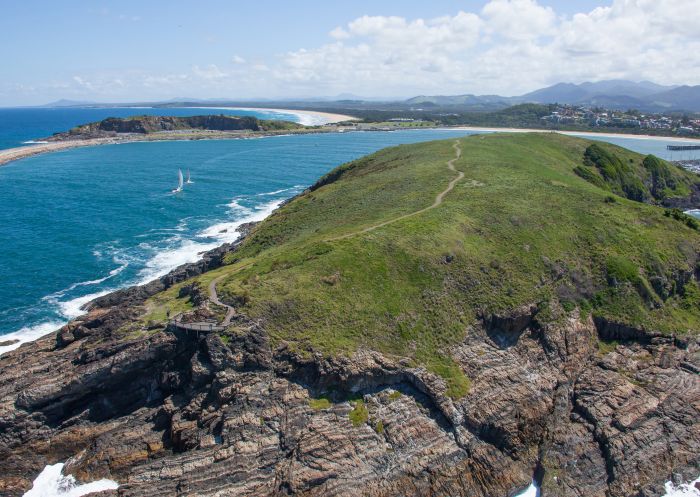
Muttonbird Island Nature Reserve, Coffs Harbour
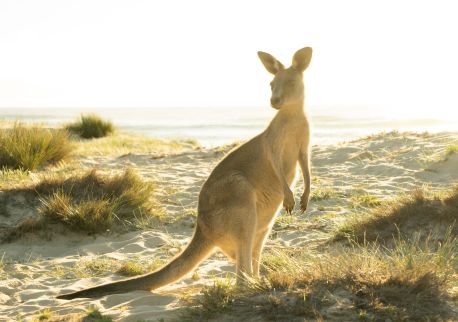
Head north and you'll find the Look At Me Now Headland walk at Emerald Beach, an easy 1.6-kilometre trail best known for its resident kangaroos but also a great spot for breaching whales. A little further on, Woolgoolga Headland is considered one of the best whale watching vantage points in the region, with views stretching to Yuraygir National Park, home to 65 kilometres of striking cliffs, rocky headlands and isolated beaches further north.
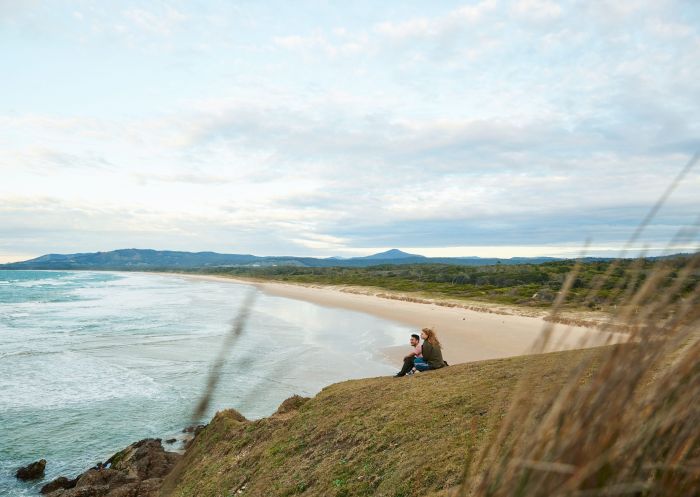
Look At Me Now Headland, Emerald Beach
South of Coffs Harbour, Bongil Bongil National Park has 11 kilometres of unspoiled beaches and sweeping coastal views, with Bundagen Head an excellent vantage point – you might spot koalas here too. On the northern edge is Bonville Headland, with a great view of whales and the famed ‘Southies’ surf break. Many of these lookouts link up along the Solitary Islands Coastal Walk, a 60-kilometre trail stretching from Sawtell to Red Rock, so it's easy to combine a few stops into one walk or tackle the whole thing over three to four days.
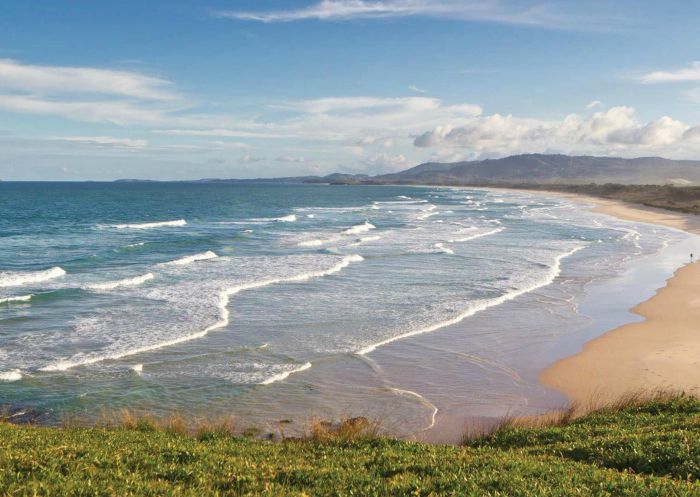
Solitary Islands Coastal Walk, Coffs Coast
For an even closer encounter, Jetty Dive is the only operator on the Coffs Coast offering the chance to swim with humpback whales, running eco-accredited whale swim tours during August and September. You'll be fitted with a wetsuit, mask and snorkel before heading out to the Solitary Islands Marine Park. As with all whale encounters, it's entirely up to the whales – the crew waits for curious whales to approach, and interactions only happen on the whales' terms. Strict guidelines and regulations are followed throughout to ensure the experience is never detrimental to the whales.
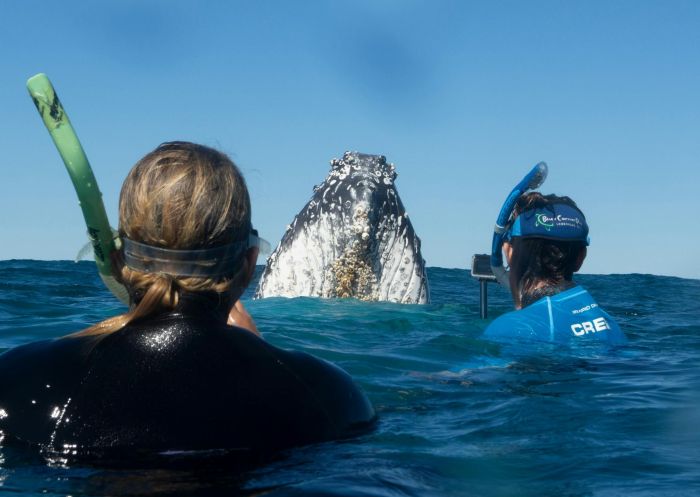
Jetty Dive Centre, Coffs Harbour - Credit: Jetty Dive Centre
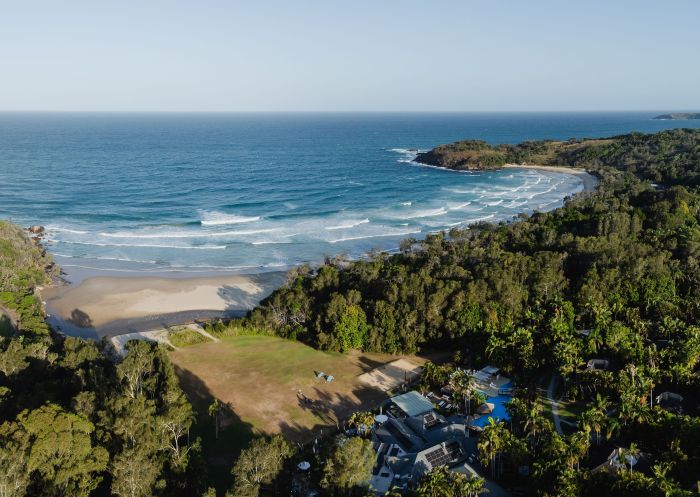
A number of Coffs’ most popular beachfront resorts serve up front-row ocean views. BreakFree Aanuka Beach Resort sits directly on the sand at Diggers Beach with magnificent ocean views from its dining areas and acres of parklands to wander. At Pacific Towers Beach Resort, many of the self-contained apartment look over the ocean with direct beach access just across the road. And at Charlesworth Bay Beach Resort, you’re just steps from the beach and a short stroll from Diggers Beach over the headland. North of town, Opal Cove Resort and Smugglers on the Beach are waterfront and on the Solitary Islands Coastal Walk.
Aanuka Beach House, Coffs Harbour
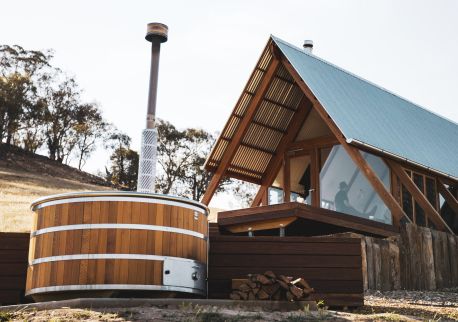
Prefer a holiday house? The Beach Havens is a five-bedroom retreat 200 metres from Emerald Beach with floor-to-ceiling louvres that open the home up to ocean breezes and views. Further north in Woolgoolga, Horizons has ocean views from every room in the house – visible from both sides of the property – and is a short stroll from the beach and village shops. South of Coffs Harbour, Seabreeze in Sawtell sleeps up to eight guests just 200 metres from the beach, with a beach-view balcony that's perfect for watching the sunset or scanning the horizon for a breaching whale.

The Beach Havens, Emerald Beach - Credit: The Beach Havens
Whale watching season on the Coffs Coast runs from May to November, with peak viewing between June and October.
August and September offer the best whale watching on the Coffs Coast, as mothers and calves travel closer to shore on the southern migration.
| Month | What to expect |
| May | Early migration begins, whales can be far offshore |
| June | Regular sightings, tours begin |
| July | Peak northbound migration |
| August | Excellent land and boat viewing, whale swim season begins |
| September | Mothers and calves begin returning south, closest sightings of the year |
| October | Late-season sightings, cruises wind down |
Yes, several headlands and lookouts on the Coffs Coast offer excellent whale watching from shore.
Humpback whales are the most common sighting on the Coffs Coast, though other species pass through too. You can occasionally spot southern right and minke whales, and even sightings of blue whales have been recorded.


