















Winter Solstice Starlight Kayak
Sun 27 Jun '27


Product List
Product List
Overview
Join them for a special evening of celebration at Wallagoot Lake, to mark the deep of winter, and savour the longest night of the year.
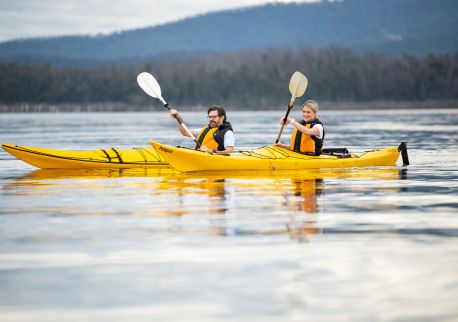
Their Winter Solstice Starlight Kayak begins late afternoon on the north edge of the lake, bundling the celebratory feast into waiting kayaks, and begin the journey across still waters.
Paddling quietly past calling birds and schools of fish, the sun begins to set on the shortest day, and watching the sky…
Join them for a special evening of celebration at Wallagoot Lake, to mark the deep of winter, and savour the longest night of the year.
Their Winter Solstice Starlight Kayak begins late afternoon on the north edge of the lake, bundling the celebratory feast into waiting kayaks, and begin the journey across still waters.
Paddling quietly past calling birds and schools of fish, the sun begins to set on the shortest day, and watching the sky turn golden, reflected on glassy water.
Reaching the far edge of the lake, disembark on the sandy beach, and gather together to prepare the feast. Hands are warmed by steaming cups of seasonal soup, enjoying the stillness, the dark night, and the gifts nature offers. Create a beautiful sand mandala at the waters edge.
Then comes the most magical part of the night: launching back into the water to paddle home in the dark. Guided by the glow of the waxing crescent moon and the stars, the rhythmic sound of the paddles become meditation as returning to the light.
This is a night of stillness, wild nature, and community warmth. Come cross the lake and welcome the light back home.
Get in touch
Location
FAQs
Accessibility
Access and Inclusion Statement
Actively welcomes people with access needs.
Advise tour guides of the access needs of guests at the time of booking (includes pick up and drop off requirements)
Ask all visitors if there are any specific needs to be met
Caters for people who are blind or have vision loss
Caters for people who are deaf or have hearing loss
Employ people with disability
Offer a range of contact methods for receiving complaints
Offer multiple options for booking - web, email, phone
Provide assistance with booking arrangements (includes providing clear itineraries with written instructions on what to do at various destinations)
Provide information in audio format (includes an audio described map of your venue, audio descs of performances and/ or displays)
Train your staff in customer service for people with vision loss (training would incorporate way finding and communicating with people with vision loss)
Train your staff in communicating with people who are deaf or have hearing loss
Train your staff in communicating with people with learning or behavioural challenges
Train your staff in disability awareness
Welcomes and assists people who have challenges with learning, communication, understanding and behaviour. (includes people with autism, intellectual disability, Down syndrome, acquired brain injury (ABI), dyslexia and dementia)