










Kiama Winter Street Festival
Sat 11 Jul '26


Overview
Step into a Winter Wonderland this July at the Kiama Winter Street Festival!
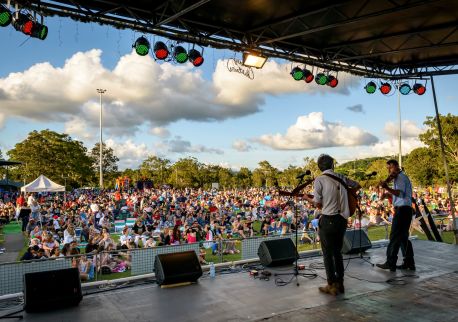
This winter school holidays, the town will come alive with a vibrant program filled with art, music, dance, captivating new performances, wellness and workshops. Join the celebration in the heart of Kiama!
Presented by Destination Kiama, this free family-friendly event transforms Terralong Street into a buzzing hub of entertainment.
Pedestrians and party-goers are…
Step into a Winter Wonderland this July at the Kiama Winter Street Festival!
This winter school holidays, the town will come alive with a vibrant program filled with art, music, dance, captivating new performances, wellness and workshops. Join the celebration in the heart of Kiama!
Presented by Destination Kiama, this free family-friendly event transforms Terralong Street into a buzzing hub of entertainment.
Pedestrians and party-goers are welcome to revel in the festival atmosphere, enjoying open street dining from local cafes and restaurants. Festival highlights including engaging street performances, free interactive workshops, diverse dance performances, live music, fun kid's activities, on-street dining experiences and late-night shopping.
Public transport is strongly encouraged. If driving, you're welcome to park at the Kiama Leisure Centre (until full) and catch the free Special Event shuttle bus running throughout the evening. Parking will be managed by Jamberoo Rural Fire Service volunteers, and a $5 donation upon entry is kindly requested.
Please note there will be road closures on Terralong Street between Collins and Shoalhaven Streets.
Don't miss this magical event that promises something for everyone!
Get in touch
Location
FAQs
Accessibility
Access and Inclusion Statement
A quiet space is available at the venue/ facility
Actively welcomes people with access needs.
Advise tour guides of the access needs of guests at the time of booking (includes pick up and drop off requirements)
Ask all visitors if there are any specific needs to be met
Caters for people who are blind or have vision loss
Caters for people who are deaf or have hearing loss
Caters for people who use a wheelchair.
Caters for people with sufficient mobility to climb a few steps but who would benefit from fixtures to aid balance. (This includes people using walking frames and mobility aids)
Employ people with disability
Have a step free main entrance to the building and/or reception area (includes ramps or slopes with a maximum gradient of 1:14, otherwise are too steep for wheelchairs)
Have a wheelchair accessible toilet / shower and change room
Have accessibility information and photos, including of a bathroom, room and/or floor plan on your website (can be emailed on request)
Have an accessible public toilet which is unlocked
Have an appropriate area for toileting an assistance dog
Have step free outdoor pathways (includes picnic areas, barbecues and shelters)
Have wheelchair accessible picnic tables (picnic tables require 720mm knee clearance and 800mm maximum height)
Offer a range of contact methods for receiving complaints
Offer multiple options for booking - web, email, phone
Provide assistance with booking arrangements (includes providing clear itineraries with written instructions on what to do at various destinations)
Provide information in large print
Staff are trained in Auslan
Train your staff in communicating with people who are deaf or have hearing loss
Train your staff in communicating with people with learning or behavioural challenges
Train your staff in disability awareness
Use easy read fonts in your signage and communication materials (Helvetica and Arial)
Use floors/coverings which are slip resistant, firm and smooth
Use Plain English / easy read signage and information (includes menus and emergency information)
Website meets WCAG 2.0 accessibility standards
Welcomes and assists people who have challenges with learning, communication, understanding and behaviour. (includes people with autism, intellectual disability, Down syndrome, acquired brain injury (ABI), dyslexia and dementia)