












Oakvale Wildlife Park


Product List
Product List
Highlights
- Hands-on wildlife encounters with 70% of animals interactive
- Set on 25 acres in scenic Port Stephens bushland
- Family fun with feeding shows, splash park & BBQ facilities
Overview
Experience one of Australia's most interactive wildlife attractions at Oakvale Wildlife Park, where unforgettable animal encounters await. Get up close to native Australian wildlife, friendly farm animals and fascinating exotic species, with opportunities to feed, pat and connect with many of the park's incredible animals.
Set across 25 acres of natural bushland in Port Stephens, this family-owned and operated wildlife park is home to more than…
Experience one of Australia's most interactive wildlife attractions at Oakvale Wildlife Park, where unforgettable animal encounters await. Get up close to native Australian wildlife, friendly farm animals and fascinating exotic species, with opportunities to feed, pat and connect with many of the park's incredible animals.
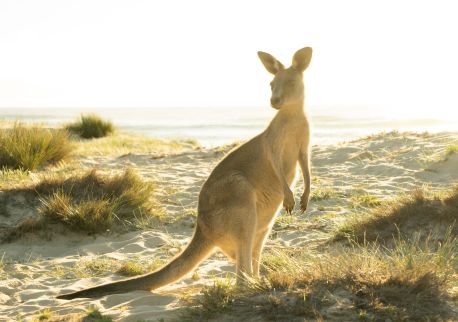
Set across 25 acres of natural bushland in Port Stephens, this family-owned and operated wildlife park is home to more than 110 species. Meet iconic Australian animals including koalas, kangaroos, wombats, dingoes and emus, alongside exotic favourites such as red pandas, ring-tailed lemurs and meerkats.
Enjoy a full day of family fun with daily keeper talks, bottle-feeding presentations, tractor-trailer rides, free-roaming animals, shaded playgrounds, complimentary barbecue facilities, undercover picnic areas and an onsite café.
Admission also includes Splash Bay Water Park, open year-round for the perfect way to cool off—don't forget your swimmers!
With accessible pathways suitable for prams, wheelchairs and mobility scooters, Oakvale is designed for everyone to enjoy.
Located just 2.5 hours north of Sydney in beautiful Port Stephens, Oakvale Wildlife Park is the perfect destination for a fun-filled day of wildlife encounters and lasting family memories.
Get in touch
Product List
More Like This
Product List
Location
FAQs
Accessibility
Access and Inclusion Statement
A quiet space is available at the venue/ facility
Allows a person's carer free entry into participating venues and events
Actively welcomes people with access needs.
Adhere to The Food Authority requirements for allergy management in food preparation
Advise tour guides of the access needs of guests at the time of booking (includes pick up and drop off requirements)
Caters for people who are blind or have vision loss
Caters for people who are deaf or have hearing loss
Caters for people who use a wheelchair.
Caters for people with allergies and intolerances.
Caters for people with high support needs who travel with a support person
Caters for people with sufficient mobility to climb a few steps but who would benefit from fixtures to aid balance. (This includes people using walking frames and mobility aids)
Employ people with disability
Have a place to store medical equipment (eg oxygen)
Have a step free main entrance to the building and/or reception area (includes ramps or slopes with a maximum gradient of 1:14, otherwise are too steep for wheelchairs)
Have a wheelchair accessible toilet / shower and change room
Have a wheelchair/scooter charging station (power point) in an accessible location
Have accessibility information and photos, including of a bathroom, room and/or floor plan on your website (can be emailed on request)
Have accessible seating areas in theatrette
Have an accessible public toilet which is unlocked
Have at least one wheelchair accessible parking space with wheelchair accessible signage clearly displayed (International standards are 3200mm wide x 2500 mm high)
Have doorways which are easy to open and have lever handles (doorways 850mm or wider when open and not heavy)
Have equipment to respond to anaphylactic shock such as epi–pens and defibrillator
Have grab rails in the bathroom
Have handrails on all your stairways
Have step free access to restaurant, lounge and bar
Have step free access to the conference or function room
Have step free outdoor pathways (includes picnic areas, barbecues and shelters)
Have telephones which are compatible with hearing aids
Have volume controlled phones
Have wheelchair accessible picnic tables (picnic tables require 720mm knee clearance and 800mm maximum height)
Modify your cooking and cleaning practices to cater for people with food allergies or chemical intolerances (could include menus with meals free from: nuts, dairy, seafood, eggs, gluten etc)
Offer a range of contact methods for receiving complaints
Offer multiple options for booking - web, email, phone
Provide assistance with booking arrangements (includes providing clear itineraries with written instructions on what to do at various destinations)
Provide beach matting and beach wheelchairs for people to access the water
Provide digital communication materials (hard copy information is also available on line)
Provide information in large print
Provide seating in common areas including reception area
Train your staff in customer service for people with vision loss (training would incorporate way finding and communicating with people with vision loss)
Train your staff in communicating with people who are deaf or have hearing loss
Train your staff in communicating with people with learning or behavioural challenges
Train your staff in disability awareness
Train your staff to respond to allergic reactions
Use easy read fonts in your signage and communication materials (Helvetica and Arial)
Use floors/coverings which are slip resistant, firm and smooth
Use non-slip tiles in the bathroom or slip resistant matting
Use organic (chemical and fragrance free) cleaning products
Use organic (chemical and fragrance free) deodorisers in public areas and rooms
Use Plain English / easy read signage and information (includes menus and emergency information)
Welcomes and assists people who have challenges with learning, communication, understanding and behaviour. (includes people with autism, intellectual disability, Down syndrome, acquired brain injury (ABI), dyslexia and dementia)