













KIN Lebende Schreine
Veranstaltungsdaten werden noch bestätigt: April – April 2027

Product List
Product List
Überblick
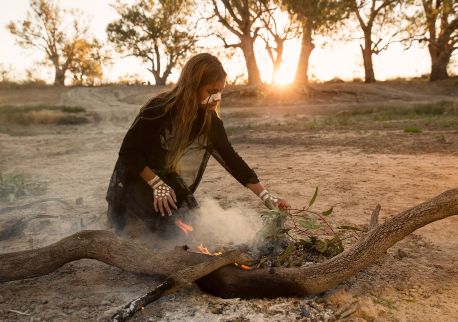
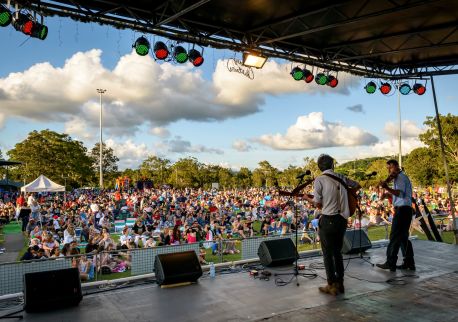
KIN: Living Shrines ist ein immersives Kulturereignis, das den öffentlichen Raum in eine Reihe lebendiger Kunstwerke verwandelt. Besucher sind eingeladen, eine Sammlung großformatiger Skulpturen zu erkunden – jede verkörpert eine andere menschliche Geschichte, Emotion oder einen Archetyp –, die durch Performance, Klang und Licht zum Leben erweckt werden.
Während sie sich durch das Gelände bewegen, begegnen die Besucher Performern, die diese …
KIN: Living Shrines ist ein immersives Kulturereignis, das den öffentlichen Raum in eine Reihe lebendiger Kunstwerke verwandelt. Besucher sind eingeladen, eine Sammlung großformatiger Skulpturen zu erkunden – jede verkörpert eine andere menschliche Geschichte, Emotion oder einen Archetyp –, die durch Performance, Klang und Licht zum Leben erweckt werden.
Während sie sich durch das Gelände bewegen, begegnen die Besucher Performern, die diese „lebendigen Schreine“ verkörpern, sowie vielschichtigen Audio- und visuellen Elementen, die ein atmosphärisches, multisensorisches Erlebnis schaffen. KIN verbindet zeitgenössische Kunst, Ritual und Erzählkunst und lädt die Besucher ein über Verbundenheit, Identität und Zugehörigkeit nachzudenken.
Konzipiert als gemeinsames öffentliches Erlebnis und zugleich als intime persönliche Reise, bietet KIN ein einzigartiges Kulturereignis, das zugänglich, visuell beeindruckend und emotional berührend ist. Es bringt Künstler, Performer und die Gemeinschaft auf innovative und integrative Weise zusammen.
KIN soll ein Event der besonderen Art werden, das Besucher anzieht, um ein einzigartiges kreatives Angebot zu erleben, das die kulturelle Tiefe und das fantasievolle Potenzial der Gastgeberregion präsentiert.
Kontaktieren Sie uns
Standort
FAQs
Zugänglichkeit
A quiet space is available at the venue/ facility
Ermöglicht der Betreuungsperson einer Person freien Eintritt zu teilnehmenden Veranstaltungsorten und Events.
Actively welcomes people with access needs.
Advise tour guides of the access needs of guests at the time of booking (includes pick up and drop off requirements)
Ask all visitors if there are any specific needs to be met
Caption all entertainment (TVs, live shows, performances)
Geeignet für blinde oder sehbehinderte Menschen
Geeignet für Menschen mit Hörbehinderung oder Taubheitsgefühl.
Geeignet für Rollstuhlfahrer.
Caters for people with allergies and intolerances.
Geeignet für Personen, die zwar einige Stufen steigen können, aber von Haltegriffen profitieren würden. (Dies schließt Personen ein, die Gehhilfen und Mobilitätshilfen benutzen.)
Employ people with disability
Sorgen Sie für geräuscharme Empfangsbereiche mit hörbehindertengerechter Akustik und ausreichender Beleuchtung zur Erkennung von Gesichtsausdrücken (einschließlich Gemeinschaftsbereiche, die frei von Hintergrundgeräuschen und Hintergrundmusik sind).
Have accessibility information and photos, including of a bathroom, room and/or floor plan on your website (can be emailed on request)
Have an accessible public toilet which is unlocked
Have an appropriate area for toileting an assistance dog
Have at least one wheelchair accessible parking space with wheelchair accessible signage clearly displayed (International standards are 3200mm wide x 2500 mm high)
Have Exit signs which are visible at a ground level (high level signs are difficult to see in a fire)
Have grab rails in the bathroom
Have step free outdoor pathways (includes picnic areas, barbecues and shelters)
Have visual alerts for emergencies (Include flashing light)
Have wheelchair accessible picnic tables (picnic tables require 720mm knee clearance and 800mm maximum height)
Offer a range of contact methods for receiving complaints
Offer multiple options for booking - web, email, phone
Provide assistance with booking arrangements (includes providing clear itineraries with written instructions on what to do at various destinations)
Provide digital communication materials (hard copy information is also available on line)
Provide information in audio format (includes an audio described map of your venue, audio descs of performances and/ or displays)
Informationen in Großdruck bereitstellen
Provide seating in common areas including reception area
Train your staff in customer service for people with vision loss (training would incorporate way finding and communicating with people with vision loss)
Train your staff in communicating with people who are deaf or have hearing loss
Train your staff in communicating with people with learning or behavioural challenges
Train your staff in disability awareness
Train your staff to respond to allergic reactions
Use easy read fonts in your signage and communication materials (Helvetica and Arial)
Use Plain English / easy read signage and information (includes menus and emergency information)
Welcomes and assists people who have challenges with learning, communication, understanding and behaviour. (includes people with autism, intellectual disability, Down syndrome, acquired brain injury (ABI), dyslexia and dementia)