












Seeufergeräusche
Fr. 16. Apr 27 – Sa. 24. Apr 27


Product List
Product List
Überblick
Kleine Konzerte. Großartige Stimmung. Wunderschöne Orte.
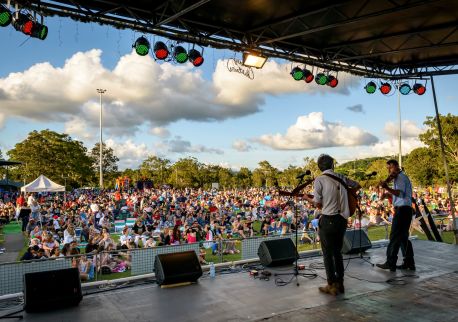
Lakeside Sounds ist ein einzigartiges Feel-Good-Musikfestival, das an einigen der beliebtesten (und unerwartetsten) Orte am Lake Macquarie stattfindet. Gemeindehäuser, Galerien und historische Theater erwachen zum Leben mit Live-Musik und präsentieren großartige Künstler in intimen Räumlichkeiten, wo jeder beste Sicht hat und die Atmosphäre einfach perfekt ist.
Für alle, die Live-Musik…
Kleine Konzerte. Großartige Stimmung. Wunderschöne Orte.
Lakeside Sounds ist ein einzigartiges Feel-Good-Musikfestival, das an einigen der beliebtesten (und unerwartetsten) Orte am Lake Macquarie stattfindet. Gemeindehäuser, Galerien und historische Theater erwachen zum Leben mit Live-Musik und präsentieren großartige Künstler in intimen Räumlichkeiten, wo jeder beste Sicht hat und die Atmosphäre einfach perfekt ist.
Für alle, die Live-Musik hautnah erleben möchten, die Geschichten hinter den Songs hören, sich als Teil des Publikums fühlen und mit den Künstlern und anderen Besuchern in Kontakt treten wollen.
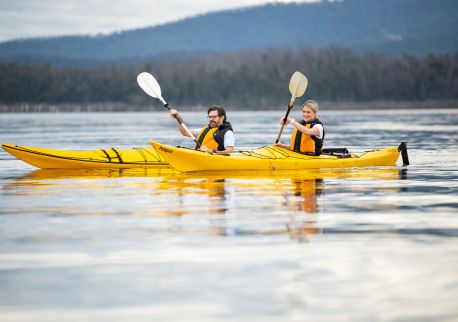
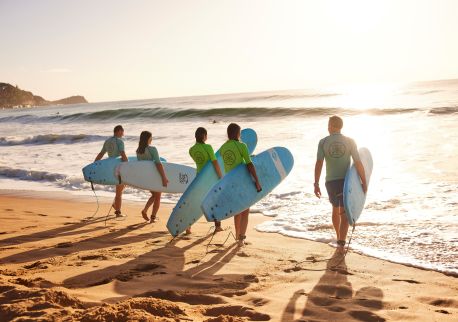
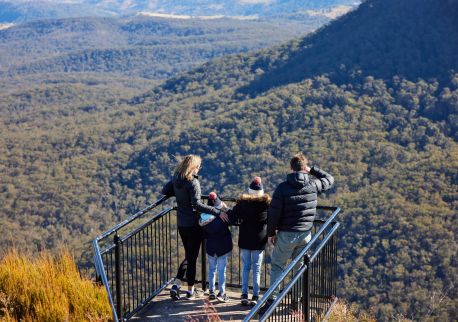
Lakeside Sounds lädt Sie ein, den See zu erkunden, der Musik zu folgen und die Atmosphäre aufzusaugen – von gemütlichen Locations über Drinks nach den Konzerten bis hin zu Sonnenuntergängen am See und vielem mehr.
Kommen Sie zu einem Konzert oder machen Sie ein ganzes Wochenende daraus. Bringen Sie Ihre Freunde mit, bringen Sie Ihre Mutter mit oder kommen Sie alleine und nehmen Sie neue Lieblingskünstler und -orte mit nach Hause.
Tickets sind demnächst erhältlich.
Kontaktieren Sie uns
Standort
Verschiedene Orte rund um den Lake Macquarie
Warners Bay NSW 2282 Australien
Wegbeschreibung erhaltenFAQs
Zugänglichkeit
Access and Inclusion Statement
Ermöglicht der Betreuungsperson einer Person freien Eintritt zu teilnehmenden Veranstaltungsorten und Events.
Actively welcomes people with access needs.
Advise tour guides of the access needs of guests at the time of booking (includes pick up and drop off requirements)
Ask all visitors if there are any specific needs to be met
Geeignet für blinde oder sehbehinderte Menschen
Geeignet für Menschen mit Hörbehinderung oder Taubheitsgefühl.
Geeignet für Rollstuhlfahrer.
Geeignet für Personen, die zwar einige Stufen steigen können, aber von Haltegriffen profitieren würden. (Dies schließt Personen ein, die Gehhilfen und Mobilitätshilfen benutzen.)
Employ people with disability
Have a hearing loop
Have a wheelchair accessible toilet / shower and change room
Have accessibility information and photos, including of a bathroom, room and/or floor plan on your website (can be emailed on request)
Have accessible seating areas in theatrette
Have an accessible public toilet which is unlocked
Have an appropriate area for toileting an assistance dog
Have at least one wheelchair accessible parking space with wheelchair accessible signage clearly displayed (International standards are 3200mm wide x 2500 mm high)
Have Exit signs which are visible at a ground level (high level signs are difficult to see in a fire)
Have grab rails in the bathroom
Have handrails on all your stairways
Have step free outdoor pathways (includes picnic areas, barbecues and shelters)
Have visual alerts for emergencies (Include flashing light)
Have wheelchair accessible transport options available in the general vicinity (provide information on name of the operator, phone and website link to individual providers for private vehicles, community transport train, mini vans, hire cars, buses, taxis, ferry, tram, light rail etc in your access statement)
Offer a range of contact methods for receiving complaints
Offer multiple options for booking - web, email, phone
Provide assistance with booking arrangements (includes providing clear itineraries with written instructions on what to do at various destinations)
Provide digital communication materials (hard copy information is also available on line)
Provide seating in common areas including reception area
Train your staff in customer service for people with vision loss (training would incorporate way finding and communicating with people with vision loss)
Train your staff in disability awareness
Use easy read fonts in your signage and communication materials (Helvetica and Arial)
Use Plain English / easy read signage and information (includes menus and emergency information)
Website meets WCAG 2.0 accessibility standards
Welcomes and assists people who have challenges with learning, communication, understanding and behaviour. (includes people with autism, intellectual disability, Down syndrome, acquired brain injury (ABI), dyslexia and dementia)