










Volksfest Bundanoon
Fr. 20. Nov 26 – So. 22. Nov 26


Product List
Product List
Überblick
Das Bundanoon Folk Festival ist die neueste Bereicherung des australischen Folk-Kalenders. Es findet in Bundanoon in den malerischen Southern Highlands von New South Wales statt und bietet die Kulisse eines idyllischen Dorfes nahe dem beeindruckenden Morton-Nationalpark.
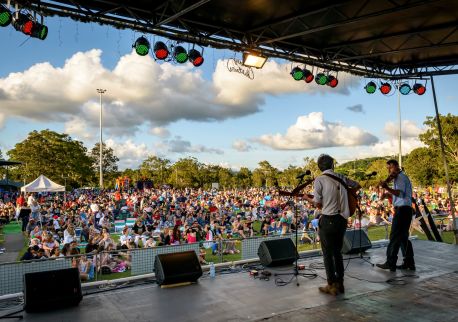
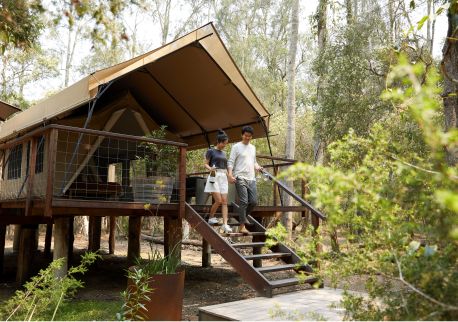
Das Bundanoon Folk Festival verspricht ein lebendiges Wochenende mit Live-Folkmusik, Tanz und Poesie an sieben Veranstaltungsorten in Innenräumen sowie in einem Hotelzelt –…
Das Bundanoon Folk Festival ist die neueste Bereicherung des australischen Folk-Kalenders. Es findet in Bundanoon in den malerischen Southern Highlands von New South Wales statt und bietet die Kulisse eines idyllischen Dorfes nahe dem beeindruckenden Morton-Nationalpark.
Das Bundanoon Folk Festival verspricht ein lebendiges Wochenende mit Live-Folkmusik, Tanz und Poesie an sieben Veranstaltungsorten in Innenräumen sowie in einem Hotelzelt – alles im wunderschönen Bundanoon.
Das Festival ist fest in der lokalen Gemeinschaft verankert und präsentiert herausragende Künstler aus der Region sowie beliebte nationale und internationale Stars.
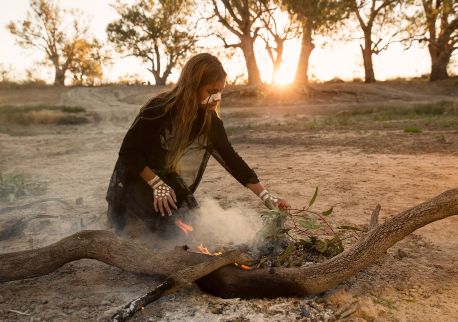
Es feiert die ganze Bandbreite zeitgenössischer und traditioneller Musikstile, die über Generationen in allen Kulturen weitergegeben wurden. Mit dabei sind einige der angesagtesten unabhängigen Künstler, darunter Preisträger des Folk Australia Awards. Außerdem gibt es Pub-Sessions, Jamsessions, ein Kinderfest, eine Folk-Rave-Party und Aktivitäten der First Nations. Folkmusik ist für alle da. Sichern Sie sich frühzeitig Ihre Tickets und seien Sie Teil dieses magischen Erlebnisses!
Kontaktieren Sie uns
Standort
Verschiedene Veranstaltungsorte
1-3 Railway Ave Bundanoon NSW 2578 Australien
Wegbeschreibung erhaltenFAQs
Zugänglichkeit
Ermöglicht der Betreuungsperson einer Person freien Eintritt zu teilnehmenden Veranstaltungsorten und Events.
Actively welcomes people with access needs.
Ask all visitors if there are any specific needs to be met
Geeignet für blinde oder sehbehinderte Menschen
Geeignet für Rollstuhlfahrer.
Geeignet für Personen, die zwar einige Stufen steigen können, aber von Haltegriffen profitieren würden. (Dies schließt Personen ein, die Gehhilfen und Mobilitätshilfen benutzen.)
Have a step free main entrance to the building and/or reception area (includes ramps or slopes with a maximum gradient of 1:14, otherwise are too steep for wheelchairs)
Have a wheelchair accessible toilet / shower and change room
Have accessibility information and photos, including of a bathroom, room and/or floor plan on your website (can be emailed on request)
Have accessible seating areas in theatrette
Have an accessible public toilet which is unlocked
Have an appropriate area for toileting an assistance dog
Have at least one wheelchair accessible parking space with wheelchair accessible signage clearly displayed (International standards are 3200mm wide x 2500 mm high)
Have grab rails in the bathroom
Have step free access to restaurant, lounge and bar
Have wheelchair accessible transport options available in the general vicinity (provide information on name of the operator, phone and website link to individual providers for private vehicles, community transport train, mini vans, hire cars, buses, taxis, ferry, tram, light rail etc in your access statement)
Offer a range of contact methods for receiving complaints
Offer multiple options for booking - web, email, phone
Provide assistance with booking arrangements (includes providing clear itineraries with written instructions on what to do at various destinations)
Provide digital communication materials (hard copy information is also available on line)
Provide information in audio format (includes an audio described map of your venue, audio descs of performances and/ or displays)
Provide portable ramps
Provide seating in common areas including reception area
Train your staff in disability awareness
Use easy read fonts in your signage and communication materials (Helvetica and Arial)
Use floors/coverings which are slip resistant, firm and smooth
Use non-slip tiles in the bathroom or slip resistant matting
Use Plain English / easy read signage and information (includes menus and emergency information)
Welcomes and assists people who have challenges with learning, communication, understanding and behaviour. (includes people with autism, intellectual disability, Down syndrome, acquired brain injury (ABI), dyslexia and dementia)