













Australischer Reptilienpark


Product List
Product List
Überblick
Der Australian Reptile Park an der Central Coast von New South Wales, Australiens größter Touristenattraktion, ist bekannt für seinen tollen Tagesausflug mit der ganzen Familie und liegt nur eine Stunde von Sydney und Newcastle entfernt.
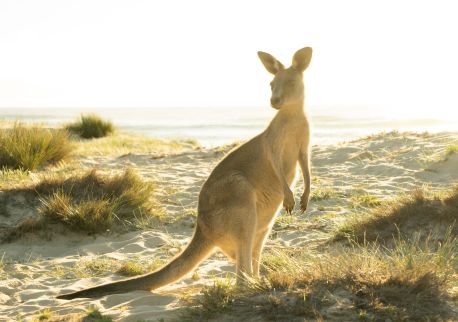
Erleben Sie die einheimische Tierwelt Australiens hautnah, darunter Kängurus, Koalas, Tasmanische Teufel und Wombats. Bewundern Sie Kasuare, Dingos und Komodowarane und spazieren Sie mit Hugo, ihrer riesigen…
Der Australian Reptile Park an der Central Coast von New South Wales, Australiens größter Touristenattraktion, ist bekannt für seinen tollen Tagesausflug mit der ganzen Familie und liegt nur eine Stunde von Sydney und Newcastle entfernt.
Erleben Sie die einheimische Tierwelt Australiens hautnah, darunter Kängurus, Koalas, Tasmanische Teufel und Wombats. Bewundern Sie Kasuare, Dingos und Komodowarane und spazieren Sie mit Hugo, ihrer riesigen Galapagos-Schildkröte.
Erfahren Sie in der Reptilienshow mehr über das Giftprogramm und sehen Sie den beeindruckenden Leistenkrokodil Elvis sowie die 40 Mississippi-Alligatoren in der Lagune.
Kinder jeden Alters werden den Spielplatz und die interaktiven Ausstellungen lieben, darunter die Lost World of Reptiles, Spider World, Frog Hollow und das Weigel Venom Centre.
Packen Sie sich ein Barbecue-Mittagessen ein und genießen Sie die kostenlosen Grillmöglichkeiten auf dem Picknickplatz, umgeben von Kängurus, oder genießen Sie eine Auswahl an Speisen im Café.
Kontaktieren Sie uns
Product List
Ähnliche Artikel
Product List
Standort
FAQs
Zugänglichkeit
A quiet space is available at the venue/ facility
Ermöglicht der Betreuungsperson einer Person freien Eintritt zu teilnehmenden Veranstaltungsorten und Events.
Actively welcomes people with access needs.
Adhere to The Food Authority requirements for allergy management in food preparation
Advise tour guides of the access needs of guests at the time of booking (includes pick up and drop off requirements)
Geeignet für blinde oder sehbehinderte Menschen
Geeignet für Menschen mit Hörbehinderung oder Taubheitsgefühl.
Geeignet für Rollstuhlfahrer.
Caters for people with allergies and intolerances.
Geeignet für Menschen mit hohem Unterstützungsbedarf, die mit einer Begleitperson reisen.
Geeignet für Personen, die zwar einige Stufen steigen können, aber von Haltegriffen profitieren würden. (Dies schließt Personen ein, die Gehhilfen und Mobilitätshilfen benutzen.)
Employ people with disability
Have a step free main entrance to the building and/or reception area (includes ramps or slopes with a maximum gradient of 1:14, otherwise are too steep for wheelchairs)
Have a wheelchair accessible toilet / shower and change room
Have accessibility information and photos, including of a bathroom, room and/or floor plan on your website (can be emailed on request)
Have an accessible public toilet which is unlocked
Have at least one wheelchair accessible parking space with wheelchair accessible signage clearly displayed (International standards are 3200mm wide x 2500 mm high)
Have doorways which are easy to open and have lever handles (doorways 850mm or wider when open and not heavy)
Have equipment to respond to anaphylactic shock such as epi–pens and defibrillator
Have Exit signs which are visible at a ground level (high level signs are difficult to see in a fire)
Have grab rails in the bathroom
Have handrails on all your stairways
Have step free access to restaurant, lounge and bar
Have step free outdoor pathways (includes picnic areas, barbecues and shelters)
Have wheelchair accessible picnic tables (picnic tables require 720mm knee clearance and 800mm maximum height)
Modify your cooking and cleaning practices to cater for people with food allergies or chemical intolerances (could include menus with meals free from: nuts, dairy, seafood, eggs, gluten etc)
Offer a range of contact methods for receiving complaints
Offer multiple options for booking - web, email, phone
Provide seating in common areas including reception area
Train your staff in customer service for people with vision loss (training would incorporate way finding and communicating with people with vision loss)
Train your staff in communicating with people who are deaf or have hearing loss
Train your staff in communicating with people with learning or behavioural challenges
Train your staff in disability awareness
Train your staff to respond to allergic reactions
Use easy read fonts in your signage and communication materials (Helvetica and Arial)
Use non-slip tiles in the bathroom or slip resistant matting
Use Plain English / easy read signage and information (includes menus and emergency information)
Welcomes and assists people who have challenges with learning, communication, understanding and behaviour. (includes people with autism, intellectual disability, Down syndrome, acquired brain injury (ABI), dyslexia and dementia)