










Surf SUP


Overview
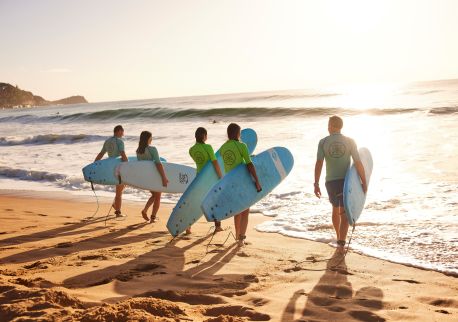
Take your stand-up paddleboarding experience to the next level with SUP surfing at Stand Up Paddle Boarding Shellharbour. Perfect for confident paddlers ready to feel the thrill of catching waves, this experience blends paddling with the excitement of surfing—no prior surf experience required!
Led by national SUP surfing champion and owner, Bec, sessions are tailored to your ability, ensuring a supportive and empowering environment. You'll learn essential techniques like wave selection, feet positioning, and how to safely ride your first waves. Whether you're looking to build confidence or master new skills, the friendly and experienced instructors will guide you every step of the way.
Lessons operate at suitable beginner-intermediate locations, depending on weather and conditions, always prioritising safety and fun. All equipment is provided, including a selection of fibreglass SUP surfboards. If you want to use your own fibreglass SUP, please use promo code "OWNSUP" for a $10 discount. Wetsuit hire is available for just $10.
SUP surfing with Stand Up Paddle Boarding Shellharbour offers the perfect way to challenge yourself, soak up the ocean, and leave with a huge smile and salty hair.
Get in touch
Our Tours


Location
Physical Address Mia Beach, Reddall Reserve (southeast side of Windang bridge) Lake Illawarra NSW 2528 Australia
Get directionsFAQs
Accessibility
A quiet space is available at the venue/ facility
Allows a person's carer free entry into participating venues and events
Actively welcomes people with access needs.
Advise tour guides of the access needs of guests at the time of booking (includes pick up and drop off requirements)
Ask all visitors if there are any specific needs to be met
Caters for people who are blind or have vision loss
Caters for people who are deaf or have hearing loss
Caters for people who use a wheelchair.
Caters for people with sufficient mobility to climb a few steps but who would benefit from fixtures to aid balance. (This includes people using walking frames and mobility aids)
Employ people with disability
Have a low noise reception areas with hearing loss friendly acoustics and adequate lighting for viewing facial expressions (includes common areas which are free of background noise, background music)
Have a step free main entrance to the building and/or reception area (includes ramps or slopes with a maximum gradient of 1:14, otherwise are too steep for wheelchairs)
Have a wheelchair accessible toilet / shower and change room
Have accessibility information and photos, including of a bathroom, room and/or floor plan on your website (can be emailed on request)
Have an accessible public toilet which is unlocked
Have an appropriate area for toileting an assistance dog
Have at least one wheelchair accessible parking space with wheelchair accessible signage clearly displayed (International standards are 3200mm wide x 2500 mm high)
Have step free outdoor pathways (includes picnic areas, barbecues and shelters)
Have wheelchair access to amusements and activities including boats and bush trails (includes tour rides, skyways, trolley cars, flying fox, amusement rides and boating)
Offer a range of contact methods for receiving complaints
Offer multiple options for booking - web, email, phone
Provide assistance with booking arrangements (includes providing clear itineraries with written instructions on what to do at various destinations)
Provide information in large print
Provide seating in common areas including reception area
Train your staff in customer service for people with vision loss (training would incorporate way finding and communicating with people with vision loss)
Train your staff in communicating with people who are deaf or have hearing loss
Train your staff in communicating with people with learning or behavioural challenges
Train your staff in disability awareness
Use Plain English / easy read signage and information (includes menus and emergency information)
Welcomes and assists people who have challenges with learning, communication, understanding and behaviour. (includes people with autism, intellectual disability, Down syndrome, acquired brain injury (ABI), dyslexia and dementia)