













Video Modal
Stonehurst Cedar Creek Cottages
Highlights
Tranquil vineyard escape just 90 minutes from Sydney Cosy cottages with fireplaces, spa baths, and scenic verandahs On-site cellar door with award-winning organic wines
Overview
Stonehurst Cedar Creek Cottages offer a relaxing vineyard escape for two, four, six or more. Experience the hospitality, peace and comfort of country life. A beautiful part of the Hunter Valley,…
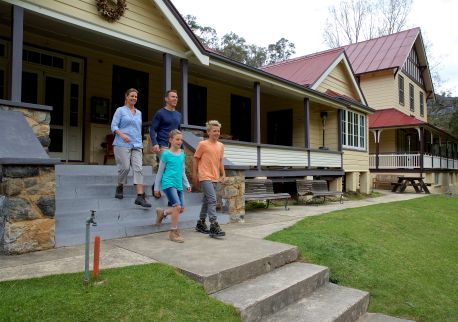
Stonehurst Cedar Creek Cottages offer a relaxing vineyard escape for two, four, six or more. Experience the hospitality, peace and comfort of country life. A beautiful part of the Hunter Valley, Cedar Creek is only 90 minutes from Sydney.
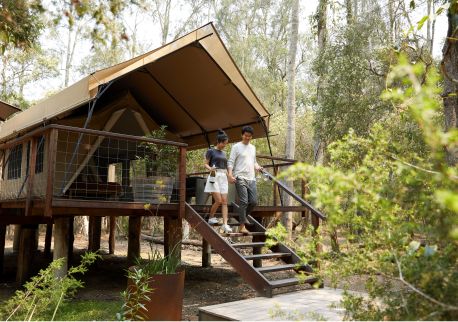
Set on 550 acres of vineyards and working farmland, the cottages have all of today's comforts whilst offering a unique setting. Enjoy the peace and tranquillity of the countryside; relax on the verandah with a glass of wine overlooking the vineyards, spend winter nights beside the fire, or unwind in the spa bath or claw-foot bathtubs.
Take a stroll to the sandstone cellar door and sample organically grown, award-winning Stonehurst Cedar Creek wines.
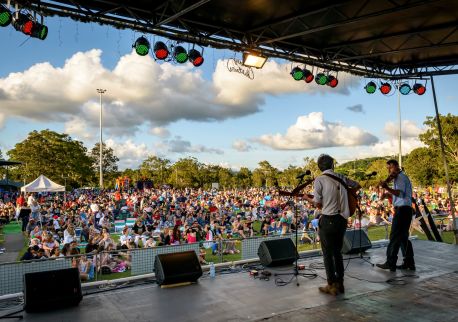
Another reason to visit is Sculpture in the Vineyards, a biennial event held in September. An exhibition of large scale outdoor and unique indoor works throughout the Wollombi Valley vineyards and historic village.
Accessibility
A quiet space is available at the venue/ facility
Actively welcomes people with access needs.
Advise tour guides of the access needs of guests at the time of booking (includes pick up and drop off requirements)
Ask all visitors if there are any specific needs to be met
Caters for people who are blind or have vision loss
Caters for people who are deaf or have hearing loss
Caters for people who use a wheelchair.
Caters for people with allergies and intolerances.
Caters for people with sufficient mobility to climb a few steps but who would benefit from fixtures to aid balance. (This includes people using walking frames and mobility aids)
Have a step free main entrance to the building and/or reception area (includes ramps or slopes with a maximum gradient of 1:14, otherwise are too steep for wheelchairs)
Have accessibility information and photos, including of a bathroom, room and/or floor plan on your website (can be emailed on request)
Have an accessible public toilet which is unlocked
Have an appropriate area for toileting an assistance dog
Have at least one wheelchair accessible parking space with wheelchair accessible signage clearly displayed (International standards are 3200mm wide x 2500 mm high)
Have handrails on all your stairways
Have step free access to the conference or function room
Have step free outdoor pathways (includes picnic areas, barbecues and shelters)
Have TVs with captioning option
Modify your cooking and cleaning practices to cater for people with food allergies or chemical intolerances (could include menus with meals free from: nuts, dairy, seafood, eggs, gluten etc)
Offer a range of contact methods for receiving complaints
Offer multiple options for booking - web, email, phone
Provide assistance with booking arrangements (includes providing clear itineraries with written instructions on what to do at various destinations)
Provide digital communication materials (hard copy information is also available on line)
Provide information in large print
Provide seating in common areas including reception area
Staff are trained in Auslan
Train your staff in customer service for people with vision loss (training would incorporate way finding and communicating with people with vision loss)
Train your staff in communicating with people who are deaf or have hearing loss
Train your staff in communicating with people with learning or behavioural challenges
Train your staff in disability awareness
Train your staff to respond to allergic reactions
Use floors/coverings which are slip resistant, firm and smooth
Use non-slip tiles in the bathroom or slip resistant matting
Use organic (chemical and fragrance free) cleaning products
Use Plain English / easy read signage and information (includes menus and emergency information)
Website meets WCAG 2.0 accessibility standards
Welcomes and assists people who have challenges with learning, communication, understanding and behaviour. (includes people with autism, intellectual disability, Down syndrome, acquired brain injury (ABI), dyslexia and dementia)