





Glen Innes Visitor Information Centre


Product List
Product List
Overview
The friendly team at the Glen Innes Visitor Information Centre is here to help you make the most of your time—whether you're just passing through or planning a longer stay. They can assist with accommodation bookings, travel tips, and recommendations, and the Centre is stocked with local maps, brochures, unique Celtic souvenirs, and local regional produce. Check out our Glen Innes Highland Shop.
Glen Innes Highlands invites you to experience…
The friendly team at the Glen Innes Visitor Information Centre is here to help you make the most of your time—whether you're just passing through or planning a longer stay. They can assist with accommodation bookings, travel tips, and recommendations, and the Centre is stocked with local maps, brochures, unique Celtic souvenirs, and local regional produce. Check out our Glen Innes Highland Shop.
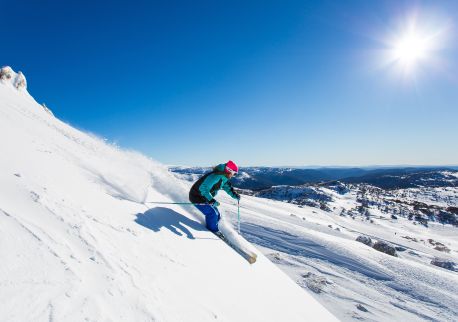
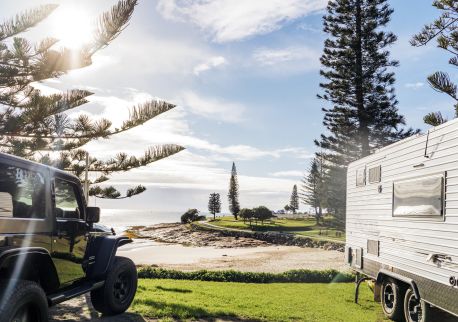
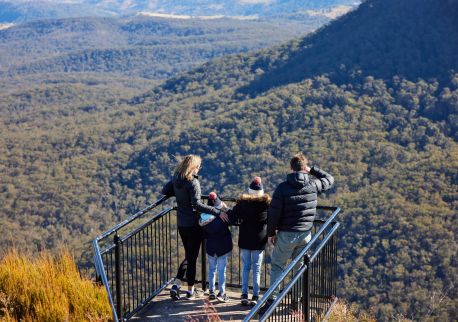
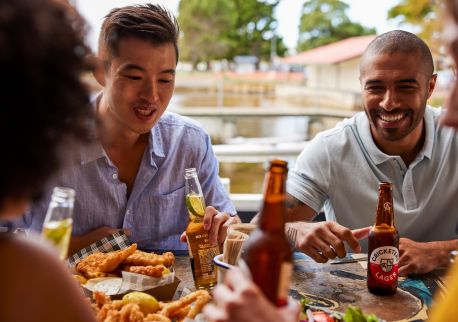
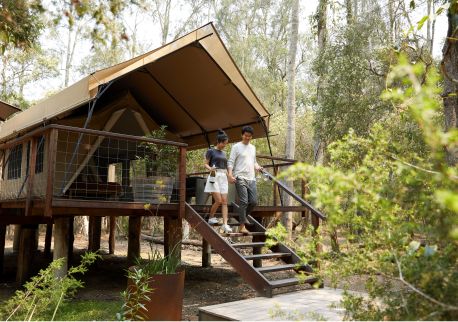
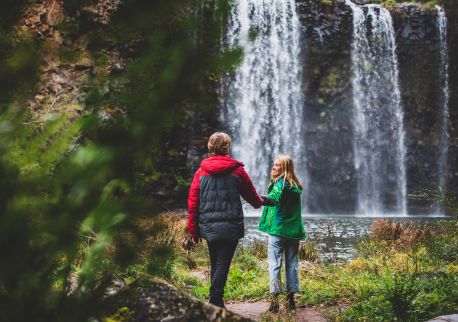
Glen Innes Highlands invites you to experience their four distinct seasons, charming towns and villages, breathtaking landscapes, and World Heritage-listed national parks. With a variety of cosy places to stay, and plenty of spots to eat, drink, and shop, there's something here for every kind of traveller.
Popular activities in the region include scenic road trips, Mountain biking, Bird watching, Fishing for the iconic Murray Cod, Fossicking for sapphires, Strolling our heritage-rich main street, and visiting fascinating museums in Glen Innes and Emmaville.
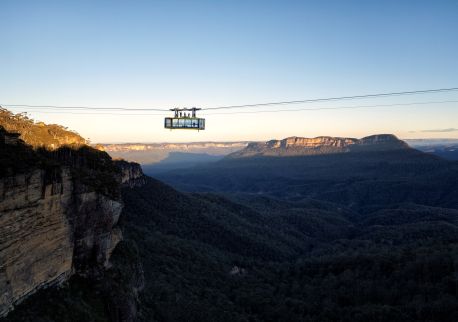
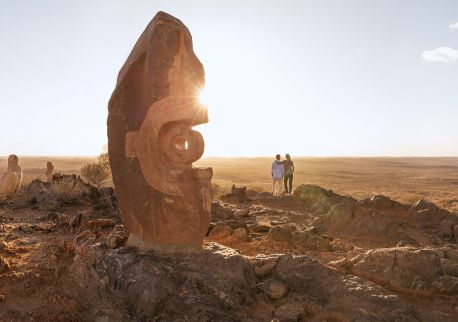
Be sure to explore their proud Celtic heritage at the iconic Australian Standing Stones—a national monument celebrating Celtic pioneers, and the spectacular setting for the Australian Celtic Festival held each May and Glen Innes Highlands Skywalk.
Check out their events calendar for more local highlights, including Minerama Fossicking, Gem and Jewellery Show, one of Australia's largest annual fossicking events, held every March at the Glen Innes Showgrounds.
Get in touch
Product List
More Like This
Product List
Location
FAQs
Accessibility
A quiet space is available at the venue/ facility
Allows a person's carer free entry into participating venues and events
Actively welcomes people with access needs.
Advise tour guides of the access needs of guests at the time of booking (includes pick up and drop off requirements)
Ask all visitors if there are any specific needs to be met
Employ people with disability
Have accessibility information and photos, including of a bathroom, room and/or floor plan on your website (can be emailed on request)
Offer a range of contact methods for receiving complaints
Offer multiple options for booking - web, email, phone
Provide assistance with booking arrangements (includes providing clear itineraries with written instructions on what to do at various destinations)
Train your staff in communicating with people with learning or behavioural challenges
Train your staff in disability awareness
Use Plain English / easy read signage and information (includes menus and emergency information)
Website meets WCAG 2.0 accessibility standards
Welcomes and assists people who have challenges with learning, communication, understanding and behaviour. (includes people with autism, intellectual disability, Down syndrome, acquired brain injury (ABI), dyslexia and dementia)