











Grafton Jacaranda Festival
Fri 30 Oct '26 – Sun 08 Nov '26


Product List
Product List
Overview
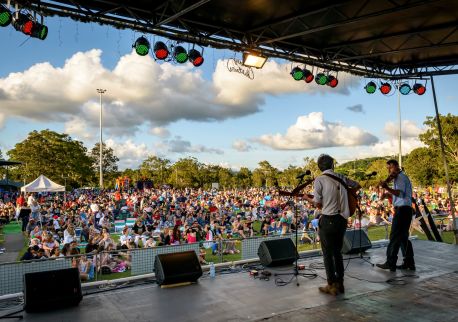
The Grafton Jacaranda Festival is Australia's oldest floral festival, starting in 1934. It is held annually over 10 days in late October/early November to celebrate the city's blooming jacaranda trees. It offers a massive regional tourism experience featuring cultural performances, parades, market stalls, and illuminated tree displays, blending tradition with modern, inclusive entertainment.
The Grafton Jacaranda Festival offers an immersive…
The Grafton Jacaranda Festival is Australia's oldest floral festival, starting in 1934. It is held annually over 10 days in late October/early November to celebrate the city's blooming jacaranda trees. It offers a massive regional tourism experience featuring cultural performances, parades, market stalls, and illuminated tree displays, blending tradition with modern, inclusive entertainment.
The Grafton Jacaranda Festival offers an immersive experiences through events such as Illuminate, walking tours and the hop on hop off bus. It encourages communities participation and engagement through decorated windows, business costume competitions, float competitions and the Spot It competition which allows children of all ages to visit businesses and participate to win a prize; as well as bringing in local and international tourists to boost the Grafton economy.
Each year, a committee of eight volunteers is elected and works tirelessly to bring the festival together. As a committee, they ensure the festival maintains some of its traditions such as the dance performed by the candidates at the ball and the homage to the crown while bringing in new traditions. In recent years, the festival has also become more inclusive, by opening the Royal Party to not only male candidates but candidates from all gender identities.
Get in touch
Location
FAQs
Accessibility
A quiet space is available at the venue/ facility
Actively welcomes people with access needs.
Caters for people who are deaf or have hearing loss
Caters for people who use a wheelchair.
Caters for people with sufficient mobility to climb a few steps but who would benefit from fixtures to aid balance. (This includes people using walking frames and mobility aids)
Employ people with disability
Have an accessible public toilet which is unlocked
Have step free access to restaurant, lounge and bar
Have step free access to the conference or function room
Have step free outdoor pathways (includes picnic areas, barbecues and shelters)
Offer a range of contact methods for receiving complaints
Offer multiple options for booking - web, email, phone
Provide seating in common areas including reception area
Train your staff in disability awareness
Use floors/coverings which are slip resistant, firm and smooth
Use Plain English / easy read signage and information (includes menus and emergency information)
Welcomes and assists people who have challenges with learning, communication, understanding and behaviour. (includes people with autism, intellectual disability, Down syndrome, acquired brain injury (ABI), dyslexia and dementia)