













Tocal Homestead Weddings
Highlights
- Unique heritage venue with modern comforts and rustic charm
- On-site ceremony, reception, and accommodation for total convenience
- Stunning countryside setting for private, unforgettable weddings
Overview
The tranquility, charm, and timeless elegance of Tocal Homestead creates the perfect setting for a day as unforgettable as your wedding. This stunning historic estate offers a unique setting for weddings, blending rustic heritage with refined beauty.
Exchange your vows beneath the sweeping branches of ancient fig trees in the serene Homestead Garden or opt for a more traditional setting in the picturesque Tocal Chapel (please note: chapel hire fees apply).
Walk from your ceremony through the stunning gardens to our beautifully restored heritage hay shed — a one-of-a-kind reception venue. While the exterior maintains the charm of a 100-year-old structure, the interior has been thoughtfully transformed into a stylish function space, featuring recycled timber and modern comforts.
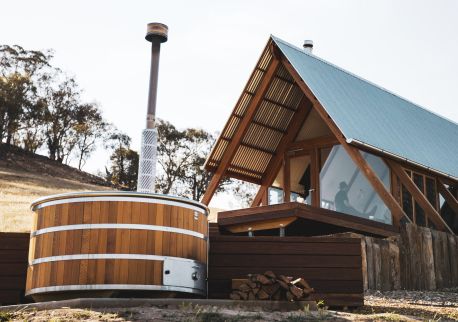
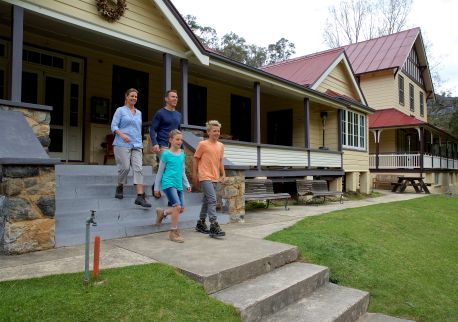
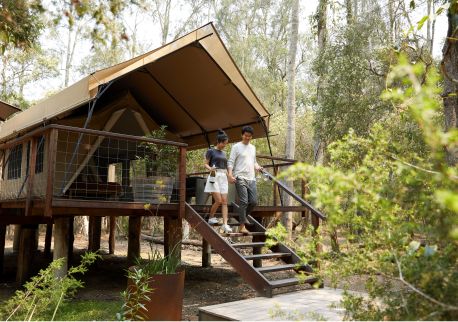
Stay a little longer and soak up the quiet charm of The Barracks, Tocal. Nestled in the heart of the countryside, our on-site accommodation, offers a cozy and peaceful retreat for couples and their guests. It's the perfect place to unwind, reconnect, and enjoy the simple beauty of your surroundings.
Tocal Homestead is ideal for couples seeking a venue that is private, distinctive, and steeped in tradition.
Make your wedding day truly unforgettable with the magic of Tocal.
Accessibility
A quiet space is available at the venue/ facility
Allows a person's carer free entry into participating venues and events
Actively welcomes people with access needs.
Adhere to The Food Authority requirements for allergy management in food preparation
Advise tour guides of the access needs of guests at the time of booking (includes pick up and drop off requirements)
Ask all visitors if there are any specific needs to be met
Caters for people who are blind or have vision loss
Caters for people who are deaf or have hearing loss
Caters for people who use a wheelchair.
Caters for people with allergies and intolerances.
Caters for people with high support needs who travel with a support person
Caters for people with sufficient mobility to climb a few steps but who would benefit from fixtures to aid balance. (This includes people using walking frames and mobility aids)
Employ people with disability
Have a step free main entrance to the building and/or reception area (includes ramps or slopes with a maximum gradient of 1:14, otherwise are too steep for wheelchairs)
Have a wheelchair accessible toilet / shower and change room
Have accessibility information and photos, including of a bathroom, room and/or floor plan on your website (can be emailed on request)
Have an accessible public toilet which is unlocked
Have an appropriate area for toileting an assistance dog
Have equipment to respond to anaphylactic shock such as epi–pens and defibrillator
Have Exit signs which are visible at a ground level (high level signs are difficult to see in a fire)
Have handrails on all your stairways
Have step free access to restaurant, lounge and bar
Have step free access to the conference or function room
Have step free outdoor pathways (includes picnic areas, barbecues and shelters)
Have visual alerts for emergencies (Include flashing light)
Have wheelchair accessible transport options available in the general vicinity (provide information on name of the operator, phone and website link to individual providers for private vehicles, community transport train, mini vans, hire cars, buses, taxis, ferry, tram, light rail etc in your access statement)
Modify your cooking and cleaning practices to cater for people with food allergies or chemical intolerances (could include menus with meals free from: nuts, dairy, seafood, eggs, gluten etc)
Offer a range of contact methods for receiving complaints
Offer multiple options for booking - web, email, phone
Provide assistance with booking arrangements (includes providing clear itineraries with written instructions on what to do at various destinations)
Provide digital communication materials (hard copy information is also available on line)
Provide information in audio format (includes an audio described map of your venue, audio descs of performances and/ or displays)
Provide information in large print
Provide seating in common areas including reception area
Train your staff in communicating with people who are deaf or have hearing loss
Train your staff in communicating with people with learning or behavioural challenges
Train your staff in disability awareness
Train your staff to respond to allergic reactions
Use easy read fonts in your signage and communication materials (Helvetica and Arial)
Use floors/coverings which are slip resistant, firm and smooth
Use Plain English / easy read signage and information (includes menus and emergency information)
Welcomes and assists people who have challenges with learning, communication, understanding and behaviour. (includes people with autism, intellectual disability, Down syndrome, acquired brain injury (ABI), dyslexia and dementia)