















Braidwood Big Wheels
Sat 10 Oct '26

Product List
Product List
Overview
Braidwood Big Wheels is a dynamic, family-friendly celebration of Australia's transport heritage.
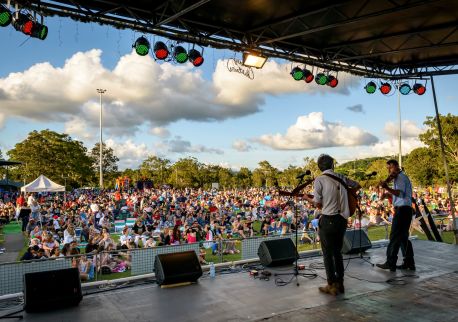
The one-day event will feature a vibrant parade through Braidwood's historic main street, followed by exhibitions of trucks, vintage vehicles, motorbikes, steam engines, tractors, and transport machinery. The event will also include live music, local food and drink, artisan markets, children's activities, and a judged Show and Shine competition.
…
Braidwood Big Wheels is a dynamic, family-friendly celebration of Australia's transport heritage.
The one-day event will feature a vibrant parade through Braidwood's historic main street, followed by exhibitions of trucks, vintage vehicles, motorbikes, steam engines, tractors, and transport machinery. The event will also include live music, local food and drink, artisan markets, children's activities, and a judged Show and Shine competition.
This uniquely regional event is designed to showcase Braidwood's rich history and strong community spirit while stimulating visitation and economic activity. It will appeal to motoring enthusiasts, transport workers, grey nomads, caravanners, and families from across Southern NSW, the South Coast, and Canberra.
Set during the shoulder season in March, Braidwood Big Wheels supports Destination NSW's Visitor Economy Strategy 2030 by promoting year-round regional visitation, enhancing local storytelling, and positioning the event as a future hero experience for the region. With an anticipated 2,000–3,000 attendees in its first year, the event is expected to generate lasting economic benefits and establish Braidwood as a vibrant and innovative destination for heritage and motor-themed events.
Get in touch
Location
FAQs
Accessibility
A quiet space is available at the venue/ facility
Actively welcomes people with access needs.
Caters for people who are blind or have vision loss
Caters for people who are deaf or have hearing loss
Caters for people who use a wheelchair.
Caters for people with sufficient mobility to climb a few steps but who would benefit from fixtures to aid balance. (This includes people using walking frames and mobility aids)
Employ people with disability
Offer a range of contact methods for receiving complaints
Offer multiple options for booking - web, email, phone
Train your staff in customer service for people with vision loss (training would incorporate way finding and communicating with people with vision loss)
Train your staff in communicating with people who are deaf or have hearing loss
Train your staff in communicating with people with learning or behavioural challenges
Use Plain English / easy read signage and information (includes menus and emergency information)
Welcomes and assists people who have challenges with learning, communication, understanding and behaviour. (includes people with autism, intellectual disability, Down syndrome, acquired brain injury (ABI), dyslexia and dementia)