













Transformations: Image, Time and Landscape
Tue 27 Oct '26 – Sun 01 Nov '26

Product List
Product List
Overview
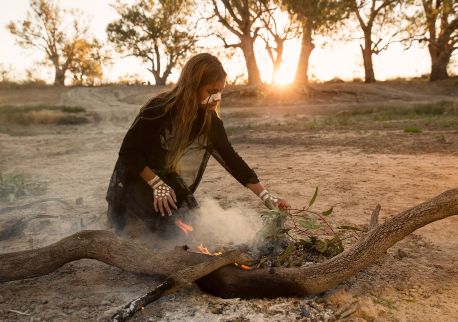
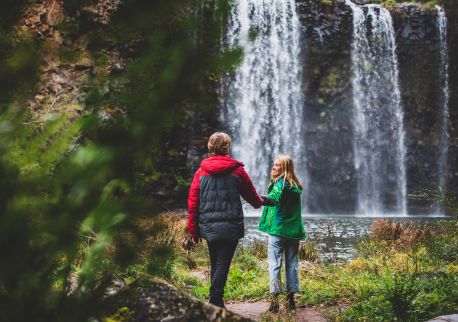
Transformations: Image, Time and Landscape surveys 27 years of work by Hill End-based artist Nicole Welch. Throughout her career and across mediums, her work is rich with symbolism, tension, and transformation and explores the relationships between landscape, the body, time, and memory. Welch creates works that are at once visually beautiful and conceptually challenging.
A significant moment in her relationship between landscape and body was…
Transformations: Image, Time and Landscape surveys 27 years of work by Hill End-based artist Nicole Welch. Throughout her career and across mediums, her work is rich with symbolism, tension, and transformation and explores the relationships between landscape, the body, time, and memory. Welch creates works that are at once visually beautiful and conceptually challenging.
A significant moment in her relationship between landscape and body was falling ill in 2004 and being forced to return from London to her hometown of Bathurst. A tension which revealed itself as a new creative connection to this region, its landscape, ecology and history. Short trips into the landscape around the Central West nurtured Welch both emotionally and physically, allowing her to be drawn out of herself and into the forests, rivers and gorges and connecting her back to her own existence. Since 2012 she has worked primarily in photography and digital media creating images in remote bushland locations, bringing together installation, performance, and site-responsive research to create images that reveal the layered cultural, environmental and personal narratives embedded within place. Here the historical references play a different role, where Welch observes the objects from her past with a new national perspective and contends with the colonial history of Australia.
Get in touch
Location
FAQs
Accessibility
Access and Inclusion Statement
Allows a person's carer free entry into participating venues and events
Actively welcomes people with access needs.
Caters for people who use a wheelchair.
Caters for people with high support needs who travel with a support person
Caters for people with sufficient mobility to climb a few steps but who would benefit from fixtures to aid balance. (This includes people using walking frames and mobility aids)
Employ people with disability
Have accessibility information and photos, including of a bathroom, room and/or floor plan on your website (can be emailed on request)
Have an accessible public toilet which is unlocked
Have at least one wheelchair accessible parking space with wheelchair accessible signage clearly displayed (International standards are 3200mm wide x 2500 mm high)
Have doorways which are easy to open and have lever handles (doorways 850mm or wider when open and not heavy)
Have step free outdoor pathways (includes picnic areas, barbecues and shelters)
Offer a range of contact methods for receiving complaints
Offer multiple options for booking - web, email, phone
Train your staff in disability awareness
Welcomes and assists people who have challenges with learning, communication, understanding and behaviour. (includes people with autism, intellectual disability, Down syndrome, acquired brain injury (ABI), dyslexia and dementia)