









Cultural Connections to Waterways Shellharbour
Sat 07 Nov '26 – Sat 10 Apr '27 (MONTHLY event)


Product List
Product List
Overview
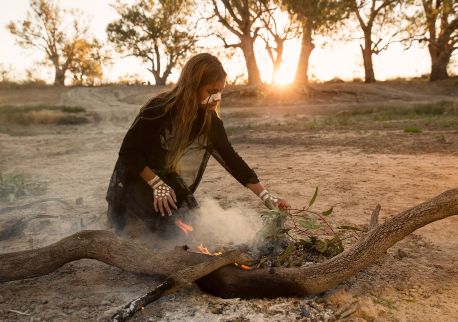
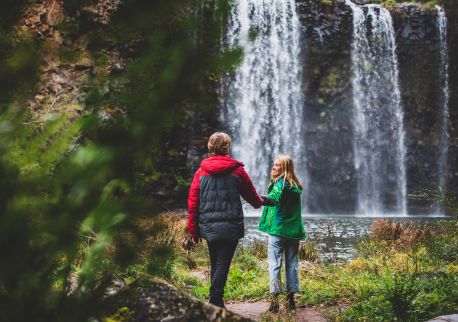
The Cultural Connections tour is brought to you by a collaboration with Gumaraa. Gumaraa is an Aboriginal cultural experience and education company that delivers authentic Indigenous experiences for all, based on the traditions of the Dharawal and Yuin Nation. Hear the stories of country & deep cultural significance of the land & waterways. In Shellharbour, hear the story of "Gang man Gang", a local Dreaming story that tells of the creation of…
The Cultural Connections tour is brought to you by a collaboration with Gumaraa. Gumaraa is an Aboriginal cultural experience and education company that delivers authentic Indigenous experiences for all, based on the traditions of the Dharawal and Yuin Nation. Hear the stories of country & deep cultural significance of the land & waterways. In Shellharbour, hear the story of "Gang man Gang", a local Dreaming story that tells of the creation of Windang Island
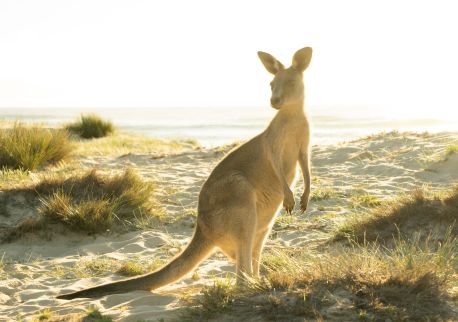
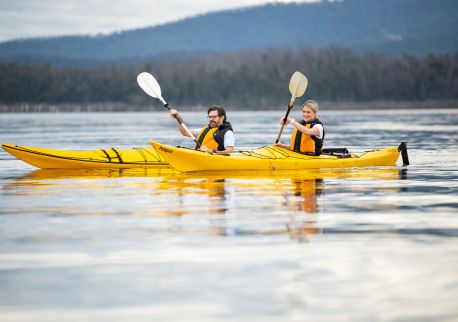
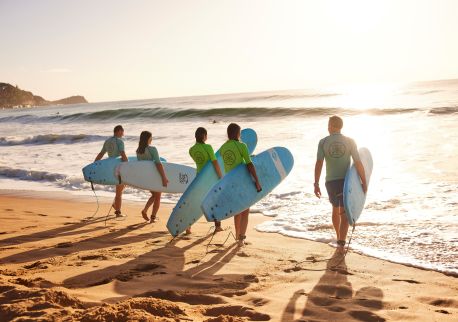
Catering for all abilities, including first timers, you will be up close with nature & local wildlife in the most picturesque settings imaginable.
Please arrive at least 15 minutes beforehand to sign your waiver form (if not done online)
Get in touch
Location
FAQs
Accessibility
Access and Inclusion Statement
A quiet space is available at the venue/ facility
Allows a person's carer free entry into participating venues and events
Actively welcomes people with access needs.
Advise tour guides of the access needs of guests at the time of booking (includes pick up and drop off requirements)
Ask all visitors if there are any specific needs to be met
Caters for people who are blind or have vision loss
Caters for people who are deaf or have hearing loss
Caters for people who use a wheelchair.
Caters for people with allergies and intolerances.
Caters for people with sufficient mobility to climb a few steps but who would benefit from fixtures to aid balance. (This includes people using walking frames and mobility aids)
Employ people with disability
Have a low noise reception areas with hearing loss friendly acoustics and adequate lighting for viewing facial expressions (includes common areas which are free of background noise, background music)
Have a step free main entrance to the building and/or reception area (includes ramps or slopes with a maximum gradient of 1:14, otherwise are too steep for wheelchairs)
Have a wheelchair accessible toilet / shower and change room
Have accessibility information and photos, including of a bathroom, room and/or floor plan on your website (can be emailed on request)
Have an accessible public toilet which is unlocked
Have an appropriate area for toileting an assistance dog
Have at least one wheelchair accessible parking space with wheelchair accessible signage clearly displayed (International standards are 3200mm wide x 2500 mm high)
Have doorways which are easy to open and have lever handles (doorways 850mm or wider when open and not heavy)
Have handrails on all your stairways
Have step free access to restaurant, lounge and bar
Have step free outdoor pathways (includes picnic areas, barbecues and shelters)
Have wheelchair access to amusements and activities including boats and bush trails (includes tour rides, skyways, trolley cars, flying fox, amusement rides and boating)
Have wheelchair accessible picnic tables (picnic tables require 720mm knee clearance and 800mm maximum height)
Have wheelchair accessible transport options available in the general vicinity (provide information on name of the operator, phone and website link to individual providers for private vehicles, community transport train, mini vans, hire cars, buses, taxis, ferry, tram, light rail etc in your access statement)
Offer a range of contact methods for receiving complaints
Offer multiple options for booking - web, email, phone
Provide assistance with booking arrangements (includes providing clear itineraries with written instructions on what to do at various destinations)
Provide information in large print
Provide seating in common areas including reception area
Train your staff in customer service for people with vision loss (training would incorporate way finding and communicating with people with vision loss)
Train your staff in communicating with people who are deaf or have hearing loss
Train your staff in communicating with people with learning or behavioural challenges
Train your staff in disability awareness
Use easy read fonts in your signage and communication materials (Helvetica and Arial)
Use floors/coverings which are slip resistant, firm and smooth
Use Plain English / easy read signage and information (includes menus and emergency information)
Website meets WCAG 2.0 accessibility standards
Welcomes and assists people who have challenges with learning, communication, understanding and behaviour. (includes people with autism, intellectual disability, Down syndrome, acquired brain injury (ABI), dyslexia and dementia)