








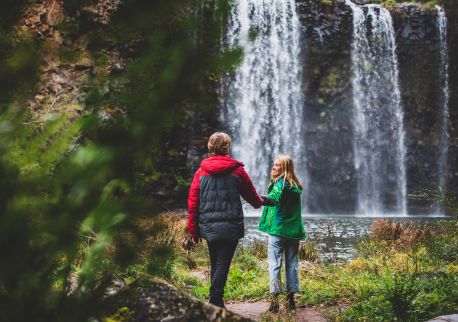

Hunter Region Botanic Gardens


Highlights
- Explore 30 hectares of native and exotic themed gardens
- Stroll 8km of easy trails through bushland and wetlands
- Visit the Hunter’s only botanic gardens, run by local volunteers
Overview
The Hunter Region Botanic Gardens cover an area of more than 125 hectares, much of which has been preserved as natural bushland. The Gardens are managed, maintained and developed by a non-profit company of about 200 volunteers.
The Gardens have a Visitor Centre, cafe, plant stall and gift shop . Light meals, cakes, and coffee are available, or visitors can bring picnic in the Gardens.
Accessible trails provide access to the25 themed gardens. Tours are able to be booked with guide.
Get in touch
More Like This
Location
FAQs
Accessibility
Actively welcomes people with access needs.
Advise tour guides of the access needs of guests at the time of booking (includes pick up and drop off requirements)
Caters for people who use a wheelchair.
Caters for people with allergies and intolerances.
Have a step free main entrance to the building and/or reception area (includes ramps or slopes with a maximum gradient of 1:14, otherwise are too steep for wheelchairs)
Have a wheelchair accessible toilet / shower and change room
Have an accessible public toilet which is unlocked
Have at least one wheelchair accessible parking space with wheelchair accessible signage clearly displayed (International standards are 3200mm wide x 2500 mm high)
Have equipment to respond to anaphylactic shock such as epi–pens and defibrillator
Have step free access to restaurant, lounge and bar
Have step free access to the conference or function room
Have step free outdoor pathways (includes picnic areas, barbecues and shelters)
Offer multiple options for booking - web, email, phone
Train your staff to respond to allergic reactions
Use Plain English / easy read signage and information (includes menus and emergency information)
Welcomes and assists people who have challenges with learning, communication, understanding and behaviour. (includes people with autism, intellectual disability, Down syndrome, acquired brain injury (ABI), dyslexia and dementia)